Market Momentum vs Market Stability: What Matters More?
Hollywood Living
Hollywood Living
In luxury real estate, market headlines often focus on dramatic price increases or sudden surges in buyer activity. Terms such as “hot market” or “cooling market” appear frequently in conversations about real estate trends. Yet within the high-end property market in Los Angeles, a more nuanced dynamic often shapes outcomes for buyers and sellers. Two forces tend to define how luxury real estate behaves over time: market momentum and market stability. Understanding the difference between these two forces can help homeowners, investors, and buyers make more informed decisions about when to enter or exit the market.
Market momentum refers to periods when real estate activity accelerates rapidly. In these moments, buyer demand increases, homes sell quickly, and prices may rise over relatively short periods of time. Momentum often builds when several factors align simultaneously. Economic growth, favorable financing conditions, and strong consumer confidence can all contribute to increased real estate activity.
In Los Angeles luxury real estate, market momentum can be especially visible in neighborhoods such as the Hollywood Hills or Beverly Hills. When architectural homes with dramatic views begin selling quickly and buyers compete for limited inventory, the perception of urgency spreads through the market. Sellers observing these sales may decide to list their homes as well, creating waves of new inventory that follow periods of strong demand.
Momentum can create extraordinary opportunities for sellers. Homes that might normally take months to sell can attract multiple buyers within days, sometimes resulting in bidding competition. However, momentum can also produce volatility because rapid activity often leads to equally rapid shifts when conditions change.
Market stability operates differently. Instead of dramatic surges in activity, stable markets are defined by consistent demand, predictable pricing patterns, and balanced inventory levels. Homes may take longer to sell than they would in a momentum-driven environment, but pricing tends to remain steady over time.
In prime Los Angeles neighborhoods such as Bel Air or Beverly Hills Flats, stability has historically been one of the defining characteristics of the market. These areas attract global buyers who view real estate as a long-term asset rather than a short-term investment. As a result, the market often demonstrates resilience even when broader housing trends fluctuate.
Stability can benefit both buyers and sellers because it reduces the uncertainty associated with dramatic market swings. Sellers may not experience explosive price growth, but they can often expect reliable demand from qualified buyers.
Momentum tends to dominate headlines because it produces dramatic outcomes. When luxury homes in the Hollywood Hills sell within days of listing or achieve record-breaking prices, the market captures public attention. These moments create the perception that the luxury market is accelerating rapidly.
For sellers, momentum can create a powerful incentive to list properties while demand appears strong. The fear of missing a favorable window can motivate homeowners to enter the market quickly. Buyers may also feel pressure to act faster than usual, especially if they believe prices will continue rising.
However, momentum often proves temporary. Once inventory increases or buyer demand slows, the market may return to a more stable pace.
While momentum may generate excitement, stability often plays a more important role in the long-term performance of luxury real estate. High-net-worth buyers frequently approach property purchases with a longer investment horizon than typical residential buyers.
For these buyers, the goal is rarely to capture short-term appreciation. Instead, they seek properties in neighborhoods that demonstrate enduring desirability. Locations such as Beverly Hills and Bel Air have maintained global prestige for decades, which helps support consistent demand regardless of short-term fluctuations.
Stable luxury markets also tend to attract international investors who value predictable asset performance. Real estate in globally recognized cities often functions as a form of wealth preservation, reinforcing the stability of the market over time.
For homeowners considering selling luxury property in Los Angeles, market momentum can create strategic opportunities. When buyer demand accelerates and inventory remains limited, sellers may achieve stronger pricing outcomes.
However, momentum alone should not determine the decision to sell. The quality of the property, its location, architectural significance, and marketing strategy all play critical roles in determining how a home performs in the market.
Sellers who focus solely on timing may overlook these factors. In many cases, thoughtful preparation and strategic positioning matter more than short-term market fluctuations.
Buyers often interpret market conditions differently depending on their objectives. Some buyers may view momentum as a signal that the market is appreciating quickly and that purchasing sooner rather than later is advantageous. Others may prefer stable markets where they can evaluate properties more carefully without feeling rushed.
Luxury buyers frequently prioritize stability because it allows them to focus on finding the right property rather than reacting to market pressure. Architectural quality, privacy, views, and lifestyle features often carry more weight than short-term pricing trends.
In reality, momentum and stability are not opposing forces. They interact continuously within the luxury real estate market. Periods of momentum often emerge within broader cycles of stability, while stable markets occasionally experience bursts of activity driven by economic shifts or changes in inventory.
Understanding this balance helps buyers and sellers interpret market signals more accurately. Rather than focusing on short-term fluctuations, successful participants in the luxury market evaluate long-term trends, neighborhood dynamics, and the unique qualities of each property.
Luxury real estate markets such as those found in Los Angeles often operate on timelines that extend beyond typical market cycles. Architectural homes in neighborhoods like the Hollywood Hills or Beverly Hills may remain valuable for decades because their location and design remain desirable regardless of short-term conditions.
For many buyers and investors, this long-term perspective ultimately outweighs temporary momentum. Real estate in globally recognized luxury markets often functions as a stable component of wealth portfolios.
When evaluated through this lens, stability becomes one of the defining advantages of luxury real estate ownership.
Stay up to date on the latest real estate trends.
Hollywood Living
How international capital influences the Los Angeles luxury real estate market.
Hollywood Living
Understanding how ultra-high-net-worth buyers evaluate luxury properties in Los Angeles.
Hollywood Living
Why more luxury properties in Los Angeles are selling privately off market.
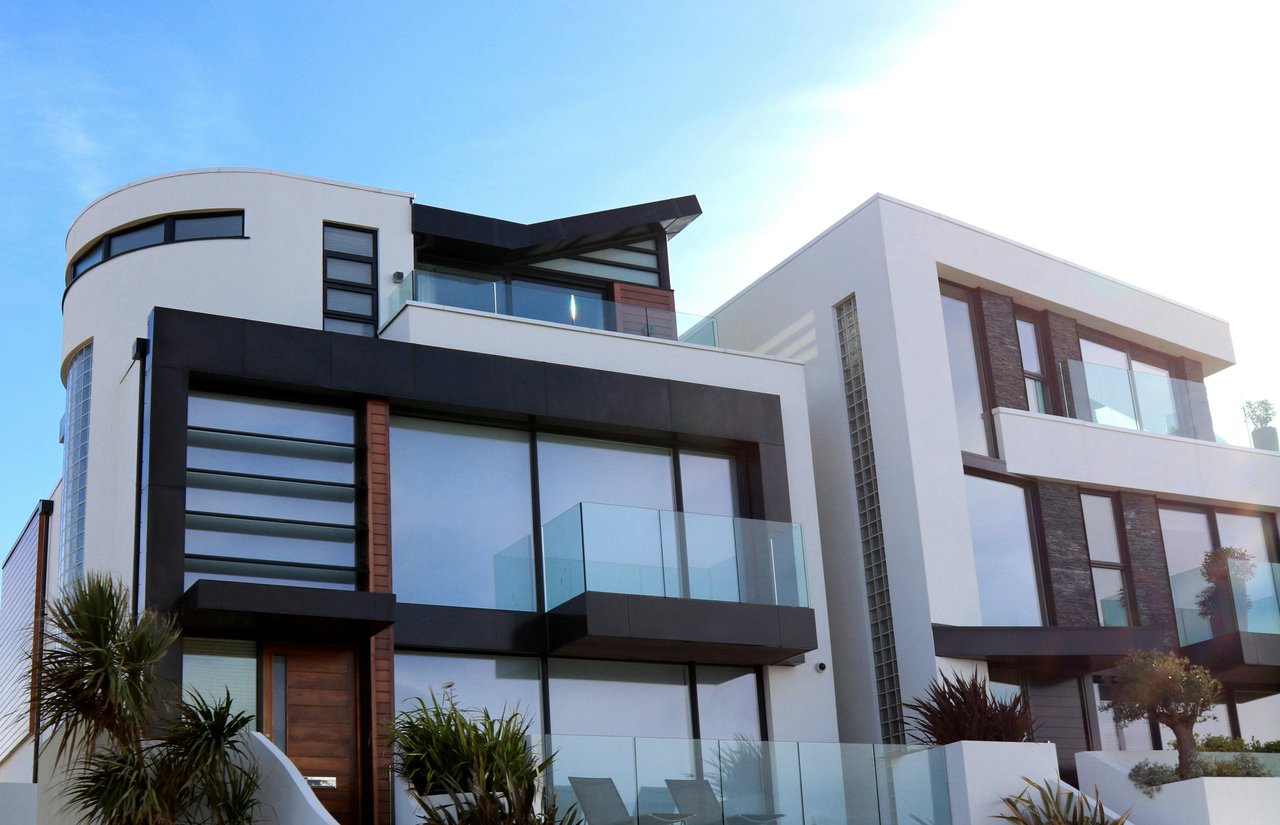
Hollywood Living
Navigating the emotional and strategic aspects of selling high-end homes in Los Angeles.
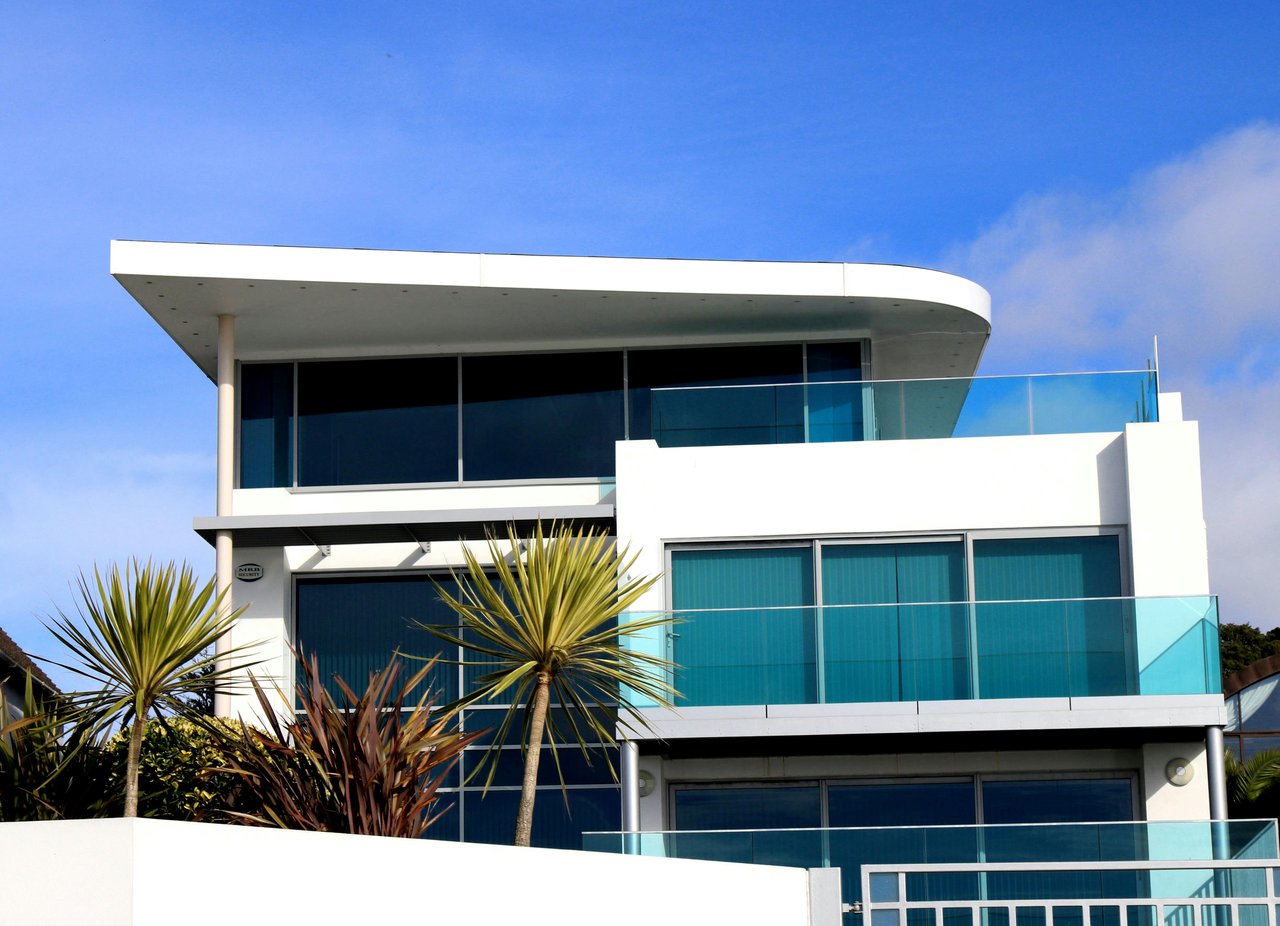
Hollywood Living
Understanding the psychology behind hesitation in luxury real estate decisions.
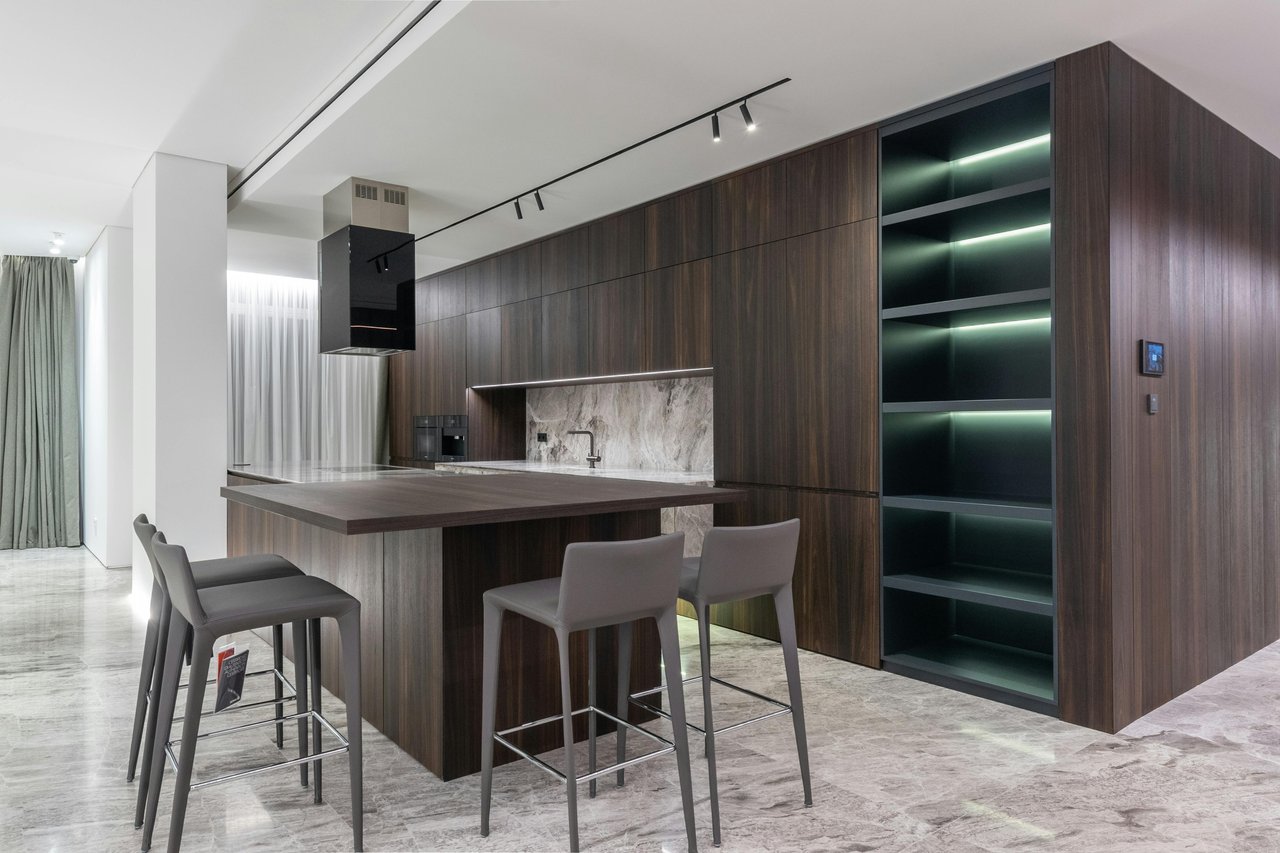
Hollywood Living
How psychological anchoring influences pricing decisions in the Los Angeles luxury property market.
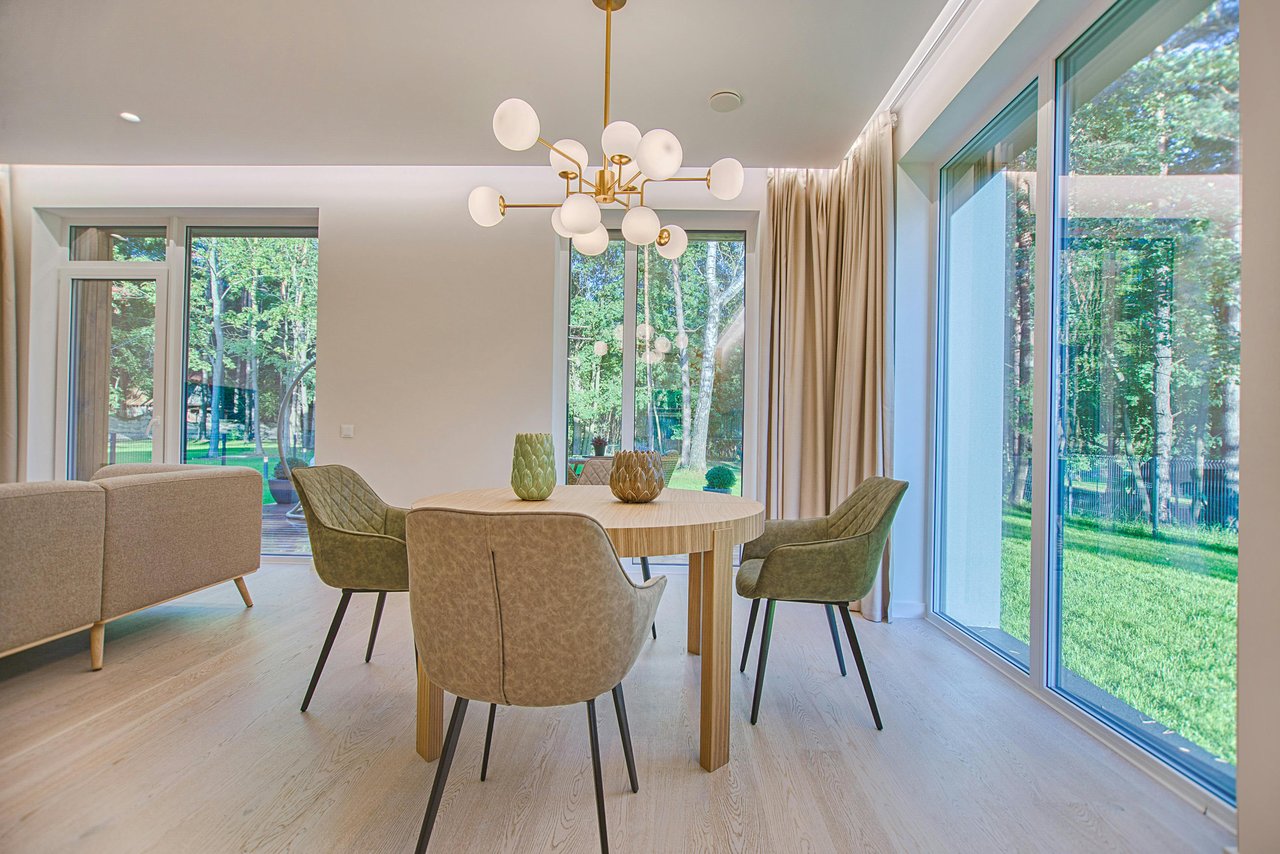
Hollywood Living
How architectural modern homes compete in traditionally styled luxury neighborhoods in Los Angeles.
Hollywood Living
Strategic approaches for relaunching luxury homes in the Los Angeles real estate market.
Hollywood Living
Strategic negotiation approaches used to maintain strong pricing in Los Angeles luxury real estate.
Our agents are experienced with buying and selling properties in the Hollywood Hills and beyond. Consult with us today!