How Luxury Developers Hedge Market Risk
Hollywood Living
Hollywood Living
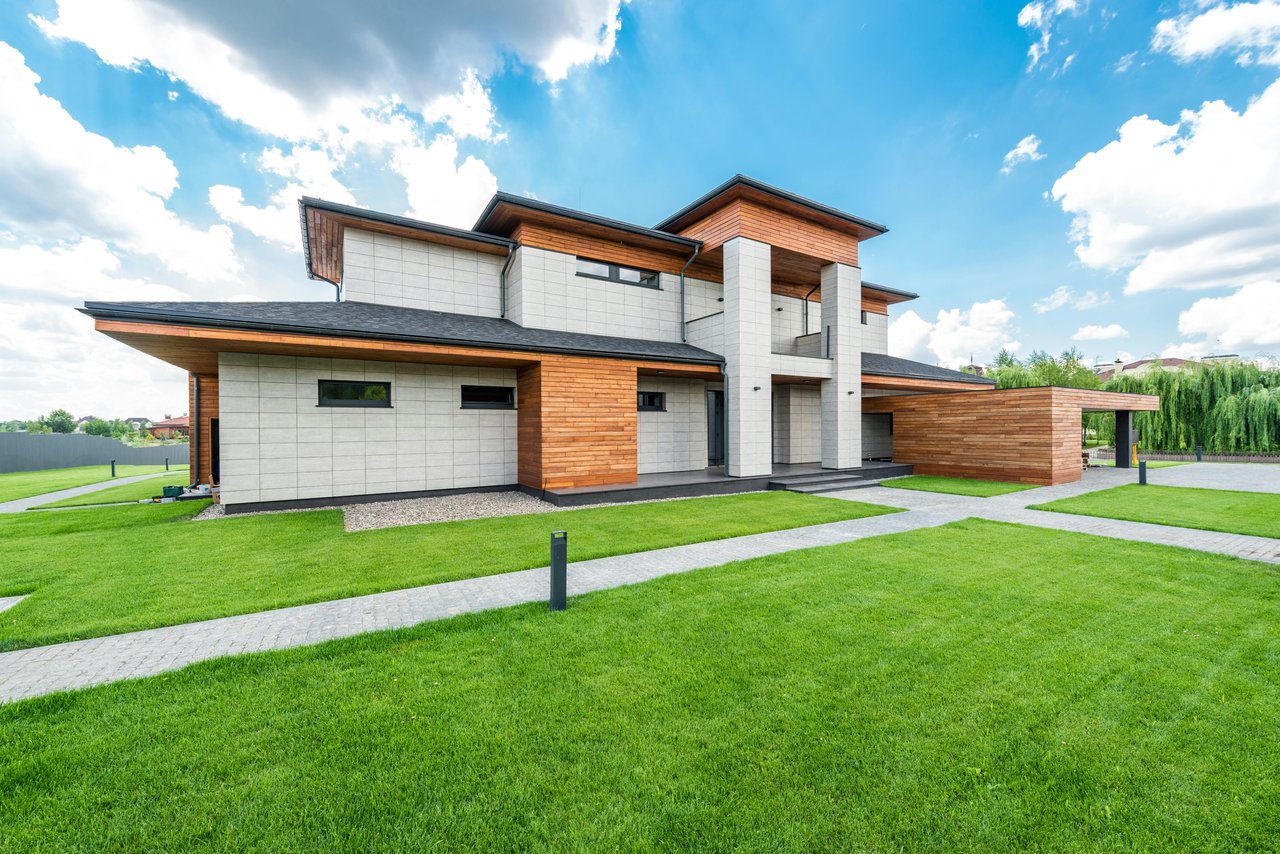
Luxury real estate development often appears glamorous from the outside. New architectural homes rise above the Hollywood Hills, modern estates transform the landscape of Beverly Hills, and striking contemporary residences redefine neighborhoods throughout Los Angeles. Yet behind these projects lies a complex world of financial strategy, market analysis, and risk management. Developing a multimillion-dollar luxury home is not simply a matter of purchasing land and building an impressive structure. Developers must carefully evaluate how market conditions may evolve during the years required to complete a project. To protect their investments, experienced developers rely on a variety of strategies designed to hedge against uncertainty.
Understanding Development Risk
Real estate development involves long timelines and significant capital commitments. A luxury home project may take several years to move from land acquisition to final sale. During that time, market conditions can shift in unpredictable ways. Interest rates may change, construction costs may rise, and buyer demand may fluctuate.
Because luxury homes often sell for tens of millions of dollars, developers face substantial financial exposure if the market softens before the project is completed. A property that was projected to sell for a certain price may face increased competition or changing buyer preferences by the time it reaches the market.
This uncertainty makes risk management a central component of successful luxury development.
Selecting the Right Location
One of the most effective ways developers hedge risk is by choosing locations with proven long-term demand. In Los Angeles, neighborhoods such as Beverly Hills, Bel Air, and the Hollywood Hills have demonstrated consistent buyer interest for decades.
These locations attract global buyers who view real estate as both a lifestyle purchase and a long-term asset. By focusing development projects in areas with established prestige and limited land supply, developers reduce the likelihood that demand will disappear during the construction process.
Even when broader housing markets fluctuate, prime luxury neighborhoods often retain a baseline level of buyer interest.
Designing for the Market
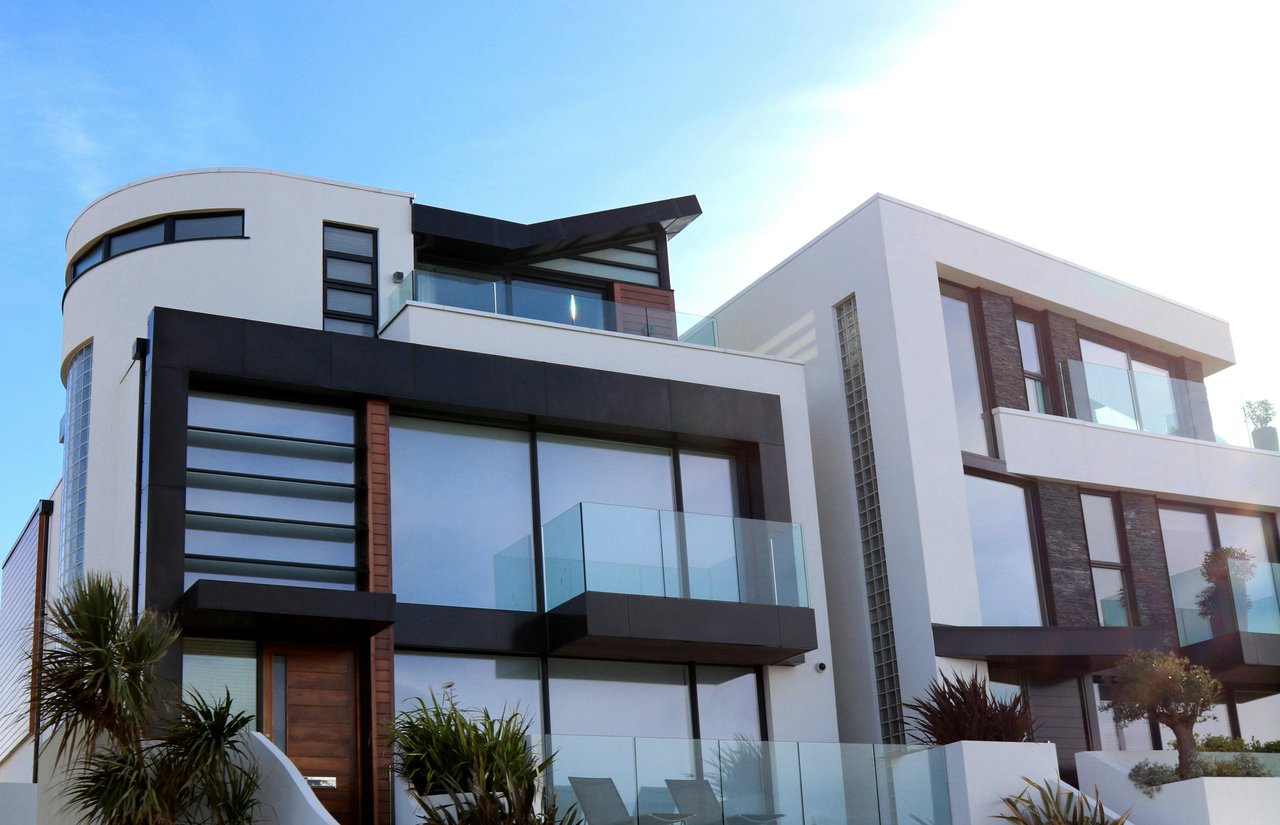
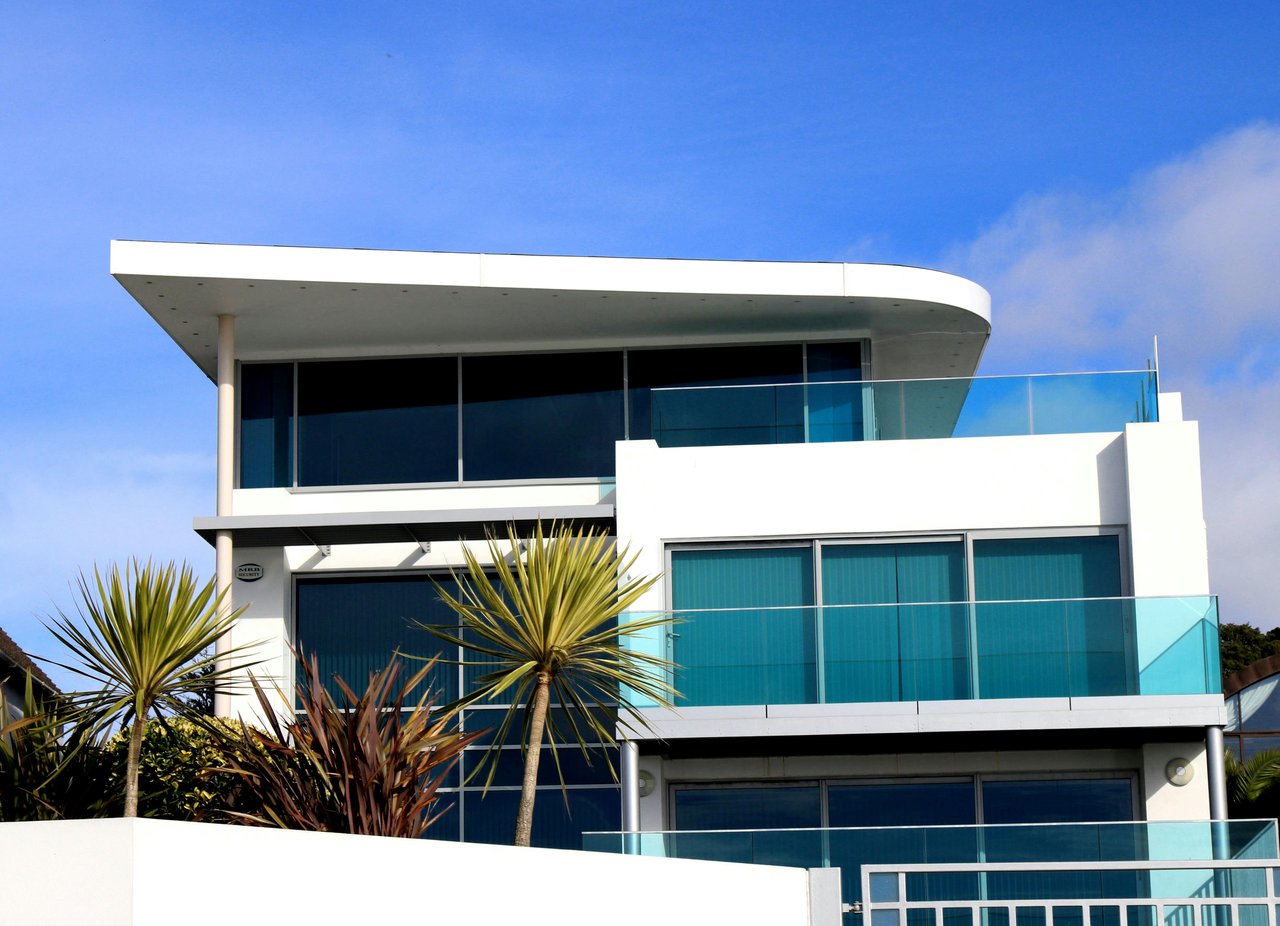
Developers also hedge risk by designing homes that align with evolving buyer preferences. Luxury buyers in Los Angeles increasingly seek modern architecture, indoor-outdoor living environments, expansive views, and integrated technology.
By studying current design trends and buyer behavior, developers aim to create homes that will remain attractive even if market conditions change slightly before completion. Homes that feel contemporary and adaptable often perform better than properties built around highly specific design concepts that may age quickly.
This design strategy helps ensure that the final product appeals to a broad audience within the luxury market.
Managing Construction Costs
Construction costs represent another significant risk factor in luxury development. Materials, labor, and regulatory compliance expenses can fluctuate dramatically over time. Developers mitigate this risk by working closely with contractors, architects, and project managers to control budgets and timelines.
In many cases, developers establish fixed-price agreements with contractors to reduce the risk of unexpected cost increases. Careful planning during the design phase can also prevent costly changes during construction.
Maintaining control over construction expenses allows developers to preserve profit margins even when market conditions shift.
Diversifying Development Portfolios
Many experienced developers do not rely on a single project at a time. Instead, they manage portfolios of multiple developments across different neighborhoods or property types. This diversification spreads risk across several investments.
If one project experiences slower sales or unexpected challenges, other projects may perform strongly enough to offset those outcomes. Diversification allows developers to maintain financial stability while pursuing ambitious architectural projects.
This approach mirrors investment strategies used in other industries, where spreading risk across multiple assets helps protect long-term returns.
Understanding Buyer Psychology
Luxury developers also pay close attention to buyer psychology. High-net-worth buyers often seek properties that feel unique and emotionally compelling. Homes that capture dramatic views, incorporate distinctive architecture, or offer exceptional privacy tend to attract stronger interest.
Developers who understand these preferences design homes that create immediate emotional responses when buyers visit the property. This emotional appeal can help maintain demand even during periods when the market slows slightly.
In essence, creating extraordinary homes becomes a form of risk management because distinctive properties often retain buyer interest regardless of short-term fluctuations.
Strategic Pricing and Timing
When a luxury development project nears completion, pricing strategy becomes critical. Developers analyze comparable sales, current inventory levels, and buyer activity before bringing the property to market.
Some developers choose to list homes slightly below projected peak pricing to generate immediate interest and competitive bidding. Others may wait for periods when inventory is low to maximize visibility within the market.
Timing the release of a luxury property can significantly influence how quickly it sells and at what price.
Partnering With Investors
Many luxury development projects are financed through partnerships between developers and investors. These arrangements distribute financial risk across multiple parties rather than concentrating it on a single developer.
Investors may provide capital in exchange for a share of the profits once the project sells. This structure allows developers to pursue larger and more ambitious projects while limiting their personal financial exposure.
These partnerships are common in markets like Los Angeles, where development costs for luxury homes can reach tens of millions of dollars.
The Importance of Experience
Perhaps the most important risk management tool available to luxury developers is experience. Developers who have worked through multiple market cycles develop a deeper understanding of how luxury real estate markets behave over time.
They recognize patterns in buyer demand, understand how interest rates influence purchasing decisions, and anticipate shifts in architectural trends. This knowledge allows them to make strategic decisions throughout the development process.
Experience also helps developers remain patient during market fluctuations, recognizing that luxury real estate often operates on longer timelines than other segments of the housing market.
Luxury Development as Strategic Investment
Despite the risks involved, luxury real estate development remains an attractive investment strategy for many entrepreneurs and investors. When executed successfully, these projects can generate significant financial returns while contributing to the architectural evolution of neighborhoods.
The striking modern homes that define areas like the Hollywood Hills or Bel Air are often the result of developers who carefully balanced creativity with strategic risk management.
Understanding how these developers hedge risk provides insight into the
Stay up to date on the latest real estate trends.
Hollywood Living
How international capital influences the Los Angeles luxury real estate market.
Hollywood Living
Understanding how ultra-high-net-worth buyers evaluate luxury properties in Los Angeles.
Hollywood Living
Why more luxury properties in Los Angeles are selling privately off market.
Hollywood Living
Navigating the emotional and strategic aspects of selling high-end homes in Los Angeles.
Hollywood Living
Understanding the psychology behind hesitation in luxury real estate decisions.
Hollywood Living
How psychological anchoring influences pricing decisions in the Los Angeles luxury property market.
Hollywood Living
How architectural modern homes compete in traditionally styled luxury neighborhoods in Los Angeles.
Hollywood Living
Strategic approaches for relaunching luxury homes in the Los Angeles real estate market.

Hollywood Living
Strategic negotiation approaches used to maintain strong pricing in Los Angeles luxury real estate.
Our agents are experienced with buying and selling properties in the Hollywood Hills and beyond. Consult with us today!