The Fear of Regret in High-End Transactions
Hollywood Living

Hollywood Living
Luxury real estate transactions often involve decisions that extend far beyond the typical considerations of buying or selling a home. In markets such as Beverly Hills, Bel Air, and the Hollywood Hills, properties frequently represent multimillion-dollar investments, architectural significance, and lifestyle choices that shape daily life for years to come. Because of the scale and emotional significance of these transactions, a powerful psychological factor often influences both buyers and sellers: the fear of regret. This fear can quietly shape decision-making throughout the entire process, influencing when buyers make offers, how sellers evaluate pricing strategies, and how negotiations unfold.
Understanding this psychological dynamic offers valuable insight into why high-end real estate transactions sometimes move more slowly than other segments of the housing market.
Regret is a deeply human emotion tied to the possibility of making the wrong choice. In everyday purchases, regret might be minor or temporary. In luxury real estate, however, the consequences of a decision can feel much larger.
When buyers consider purchasing a multimillion-dollar home, they often ask themselves a series of internal questions. Will this property still feel like the right choice in five or ten years? Is there a better home that has not yet appeared on the market? Could the market shift shortly after the purchase?
These questions do not necessarily reflect uncertainty about the property itself. Instead, they reflect the magnitude of the commitment involved.
Luxury buyers often want to ensure that their decision will stand the test of time.
Luxury buyers frequently approach property searches with a blend of excitement and caution. Touring homes in the Hollywood Hills or Beverly Hills can feel exhilarating, particularly when encountering extraordinary architecture or panoramic views.
Yet even when a property resonates emotionally, buyers may hesitate before moving forward. The fear of future regret can slow the decision-making process. Buyers may revisit the property multiple times, compare it with other homes, or seek advice from trusted advisors before committing.
In many cases, this careful evaluation is not a sign of disinterest. It reflects the seriousness with which buyers approach high-value decisions.
Sellers experience their own form of regret-related hesitation. For homeowners who have lived in luxury properties for years, the decision to sell often comes with uncertainty about timing and future market conditions.
Some sellers worry that they may be listing their property too early and that values could increase further. Others wonder whether they might miss the lifestyle associated with their home once it is sold.
These concerns can influence how sellers approach negotiations. They may hesitate to accept offers quickly or remain cautious about adjusting pricing strategies.
Negotiations in luxury real estate often involve subtle psychological dynamics related to regret. Buyers may worry about offering too much for a property and later discovering that they could have negotiated a better price.
At the same time, sellers may worry about accepting an offer too quickly and later realizing that a stronger buyer might have emerged.
This mutual caution can create a slower negotiation environment where both parties carefully evaluate each step before proceeding.
While this process can require patience, it often leads to more thoughtful and stable agreements.
Economic uncertainty can amplify the fear of regret in luxury transactions. Interest rate changes, global economic conditions, and shifting buyer demand all influence how participants interpret market timing.
When markets appear volatile, buyers may worry about purchasing near the peak of a cycle. Sellers may worry about accepting offers before prices rise further.
However, long-term perspectives often help place these concerns in context. Luxury real estate in globally recognized cities has historically maintained strong long-term demand despite short-term fluctuations.
Understanding this broader context can help participants approach decisions with greater confidence.
Despite the presence of hesitation and careful evaluation, exceptional properties often inspire decisive action from buyers. Homes with unique architecture, breathtaking views, or rare locations create emotional responses that transcend purely analytical thinking.
When buyers encounter properties that feel truly distinctive, the fear of regret can shift in a different direction. Instead of worrying about paying too much, they may begin to worry about losing the opportunity entirely.
This shift in psychology can transform hesitation into motivation.
Navigating the emotional and financial complexity of luxury real estate transactions requires thoughtful guidance. Experienced agents understand how fear of regret influences both buyers and sellers.
Rather than pressuring clients toward quick decisions, skilled advisors provide information that helps clarify the broader context of the transaction. Market data, comparable sales, and long-term investment perspectives all contribute to more confident decision-making.
This approach helps clients feel comfortable moving forward when the right opportunity appears.
Ultimately, successful luxury real estate transactions occur when both buyers and sellers feel confident in their decisions. Confidence does not eliminate uncertainty entirely, but it allows participants to move forward with clarity.
Recognizing the psychological factors that influence decision-making can help buyers and sellers navigate the process more effectively. When regret is acknowledged rather than ignored, it becomes easier to place individual decisions within the broader arc of long-term goals.
In luxury real estate, the most satisfying outcomes often emerge when thoughtful strategy and emotional clarity intersect.
Stay up to date on the latest real estate trends.
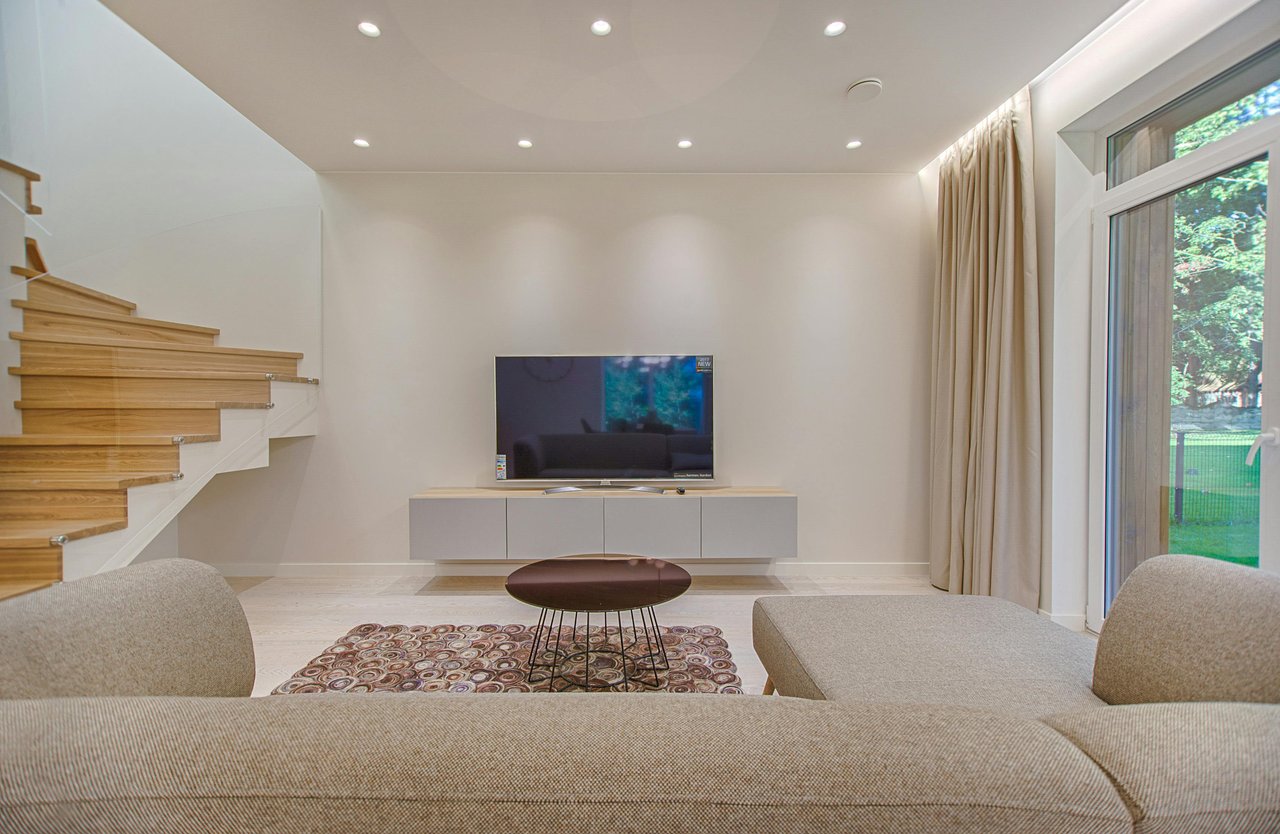
Hollywood Living
How international capital influences the Los Angeles luxury real estate market.
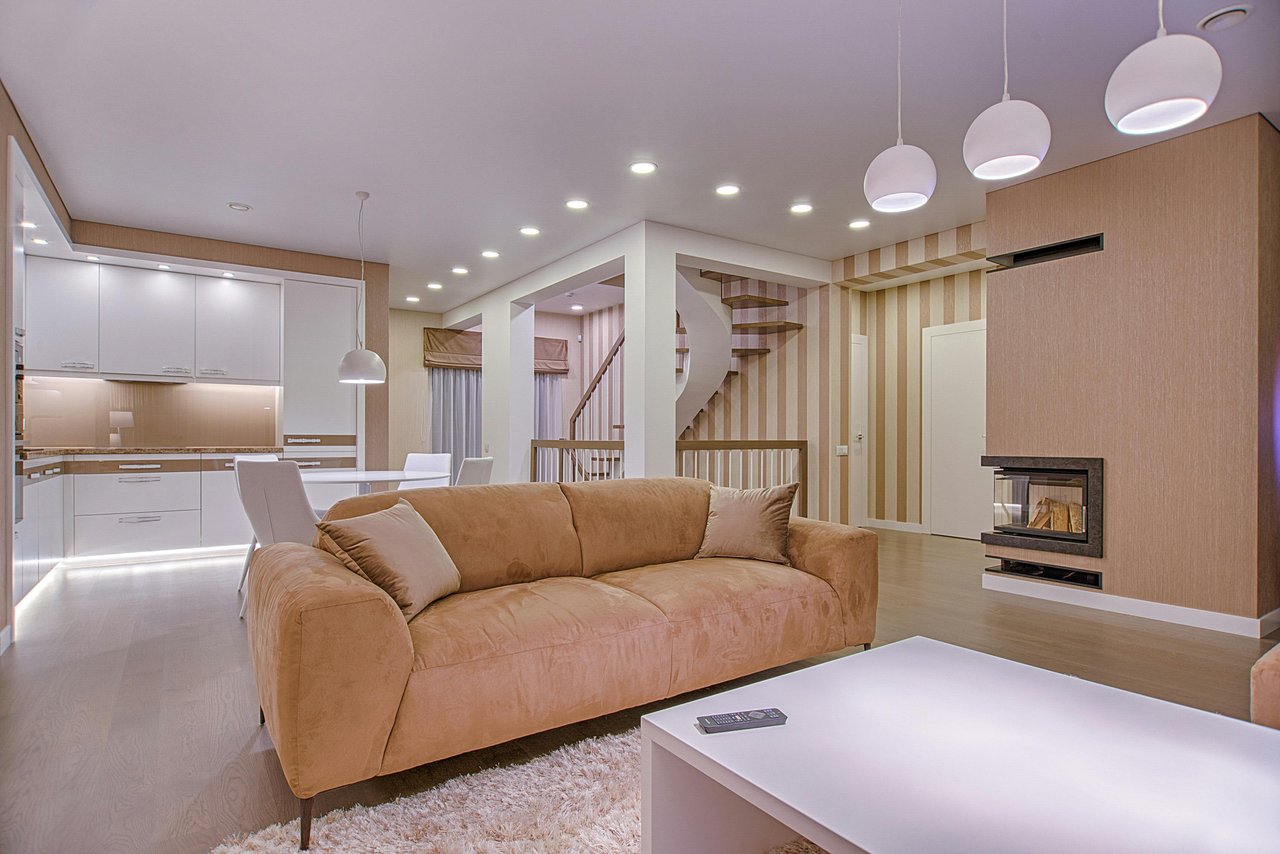
Hollywood Living
Understanding how ultra-high-net-worth buyers evaluate luxury properties in Los Angeles.
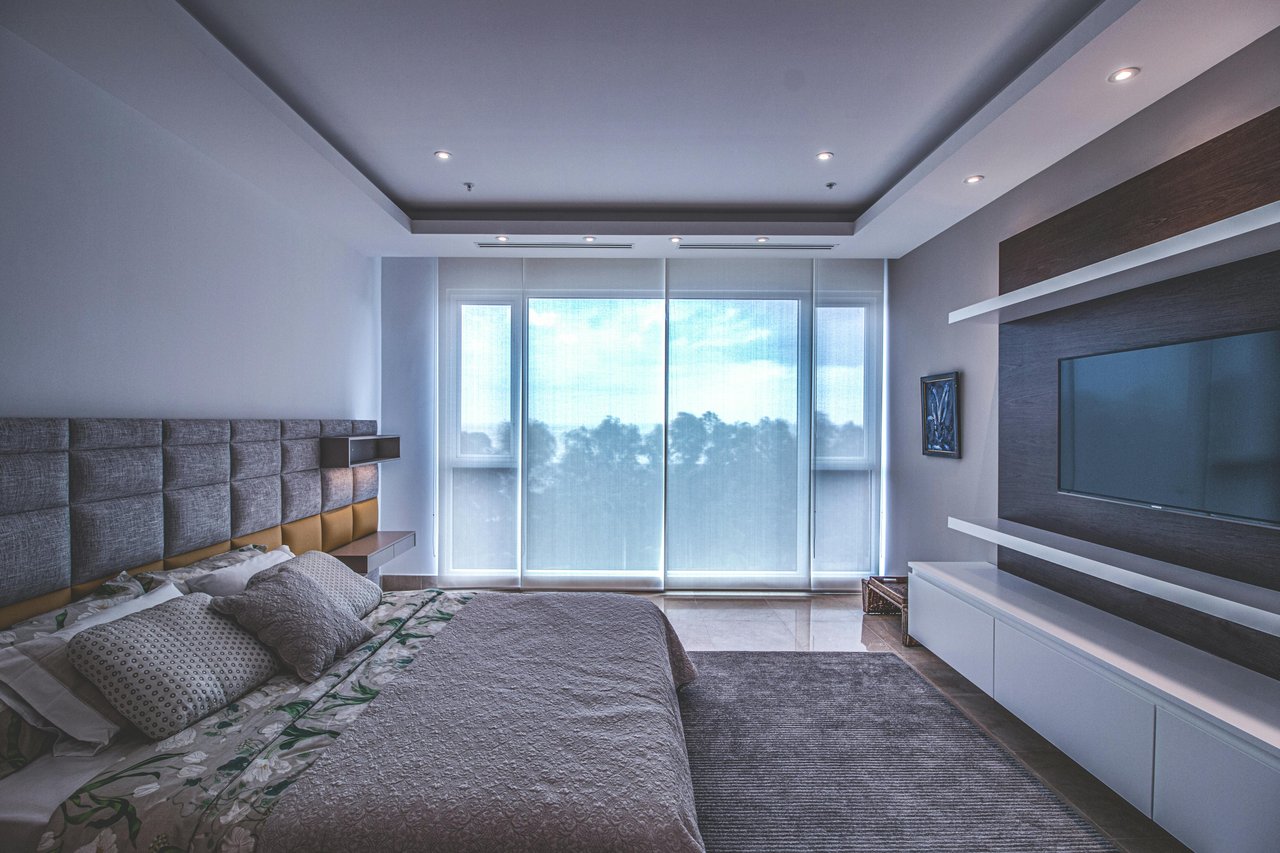
Hollywood Living
Why more luxury properties in Los Angeles are selling privately off market.

Hollywood Living
Navigating the emotional and strategic aspects of selling high-end homes in Los Angeles.
Hollywood Living
Understanding the psychology behind hesitation in luxury real estate decisions.
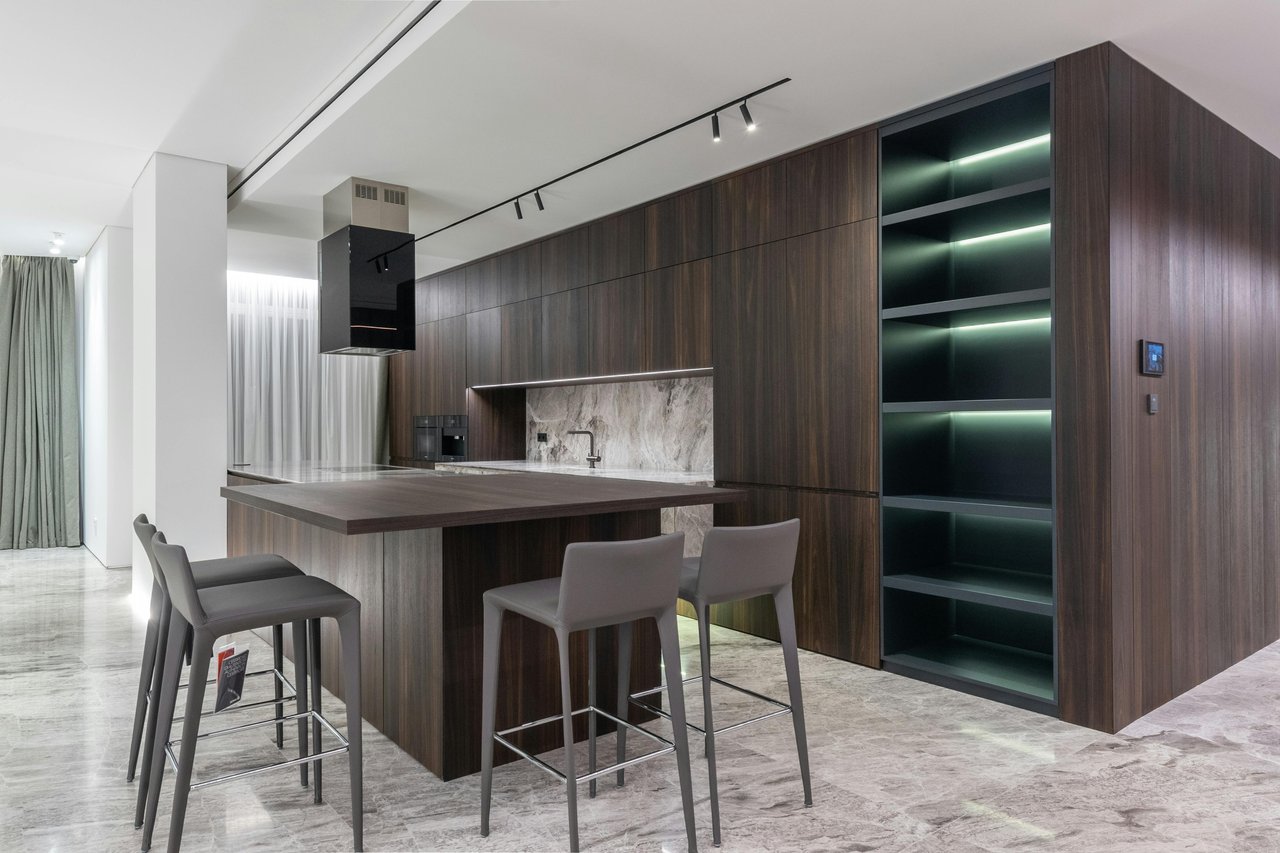
Hollywood Living
How psychological anchoring influences pricing decisions in the Los Angeles luxury property market.
Hollywood Living
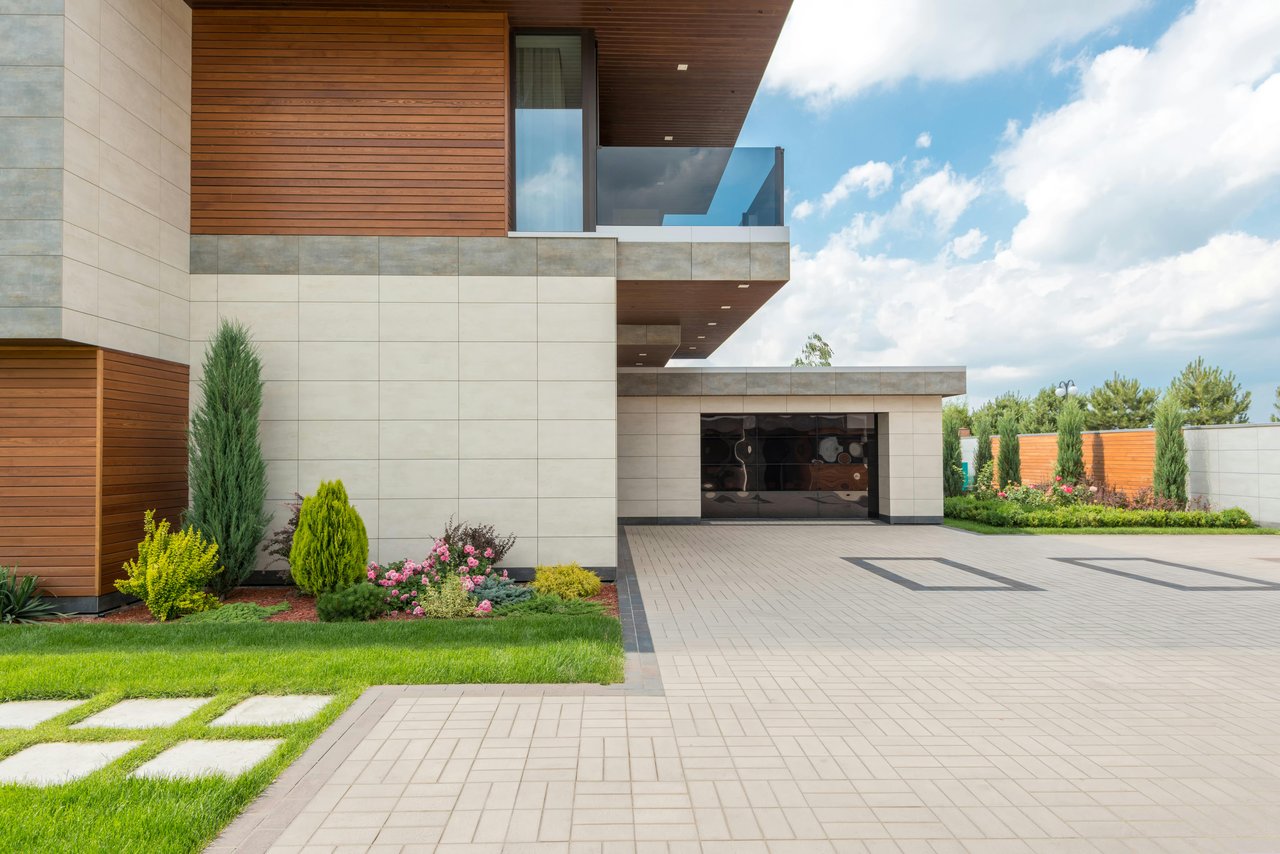
How architectural modern homes compete in traditionally styled luxury neighborhoods in Los Angeles.
Hollywood Living
Strategic approaches for relaunching luxury homes in the Los Angeles real estate market.

Hollywood Living
Strategic negotiation approaches used to maintain strong pricing in Los Angeles luxury real estate.
Our agents are experienced with buying and selling properties in the Hollywood Hills and beyond. Consult with us today!