Selling an Ultra-Modern Home in a Traditional Neighborhood
Hollywood Living
Hollywood Living
Los Angeles is one of the most architecturally diverse real estate markets in the world. Within a single neighborhood, buyers may encounter Spanish Revival estates, classic Mediterranean villas, mid-century modern homes, and striking contemporary residences. In luxury markets such as Beverly Hills, Bel Air, and parts of the Hollywood Hills, this diversity often creates an interesting dynamic: ultra-modern homes built within neighborhoods historically defined by more traditional architecture.
While contemporary design has become increasingly popular among luxury buyers, selling a modern architectural home in a neighborhood dominated by traditional estates can present both opportunities and challenges. Understanding how to position these homes strategically can make the difference between a property that feels out of place and one that feels like a rare architectural statement.
The Rise of Modern Architecture in Los Angeles
Modern architecture has become a defining feature of the Los Angeles luxury real estate landscape. Over the past two decades, architects and developers have introduced contemporary homes with clean lines, expansive glass walls, and dramatic open spaces throughout neighborhoods that once consisted primarily of traditional estates.
This shift reflects broader changes in buyer preferences. Many high-net-worth buyers are drawn to minimalist design, indoor-outdoor living environments, and homes that feel visually connected to the surrounding landscape. These architectural elements align naturally with the climate and lifestyle of Southern California.
As a result, ultra-modern homes have become increasingly common in areas where traditional architectural styles once dominated.
The Contrast Between Modern and Traditional Design
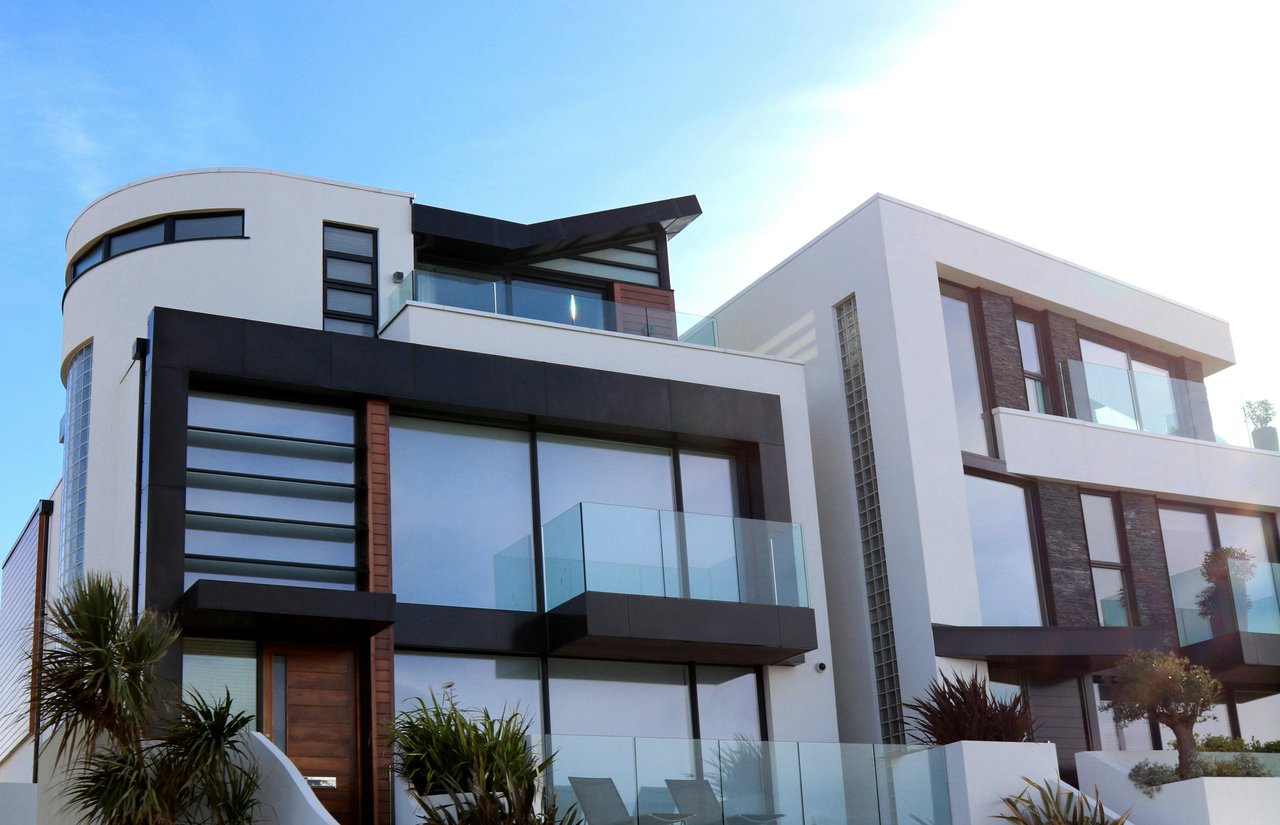
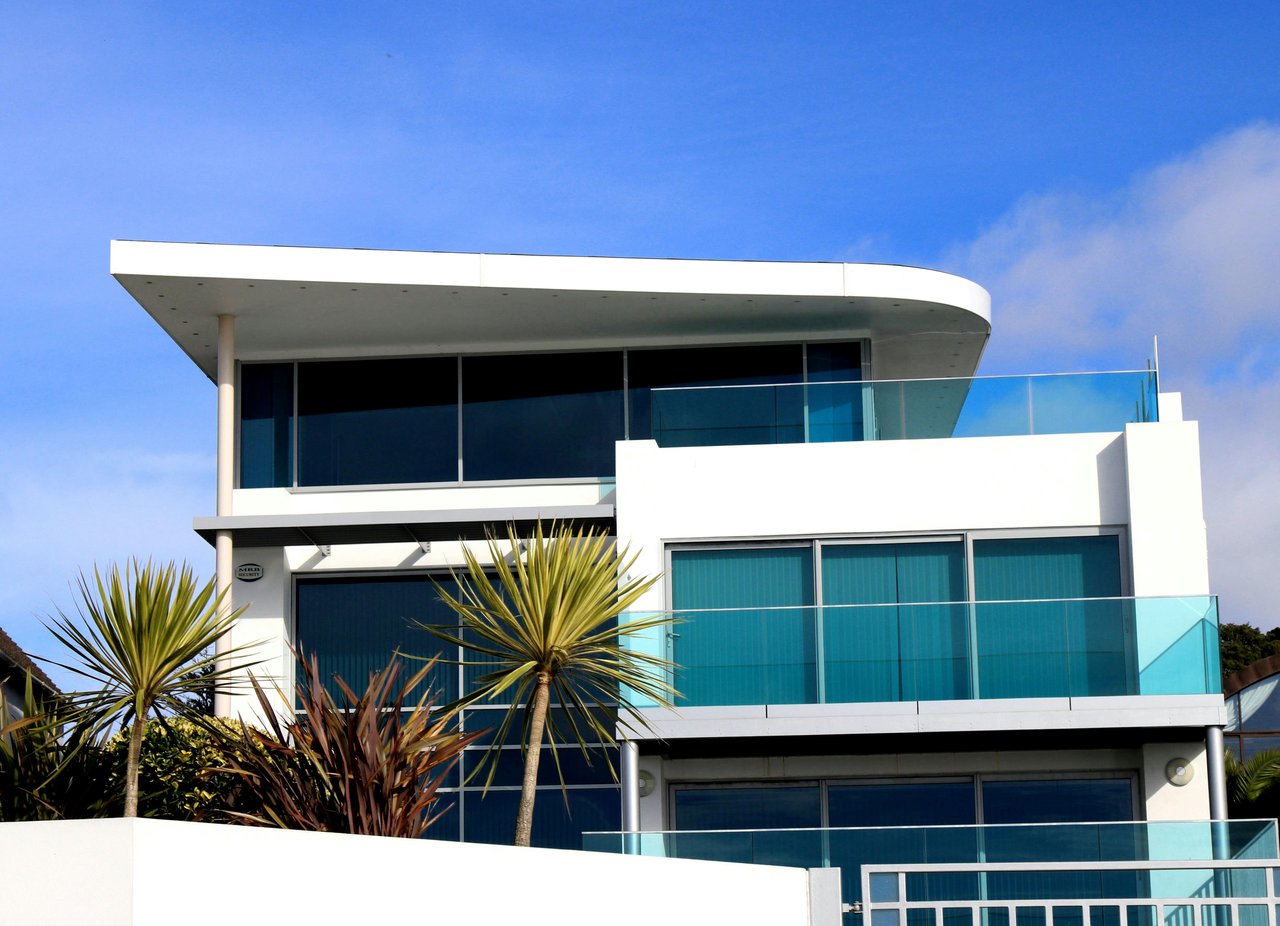
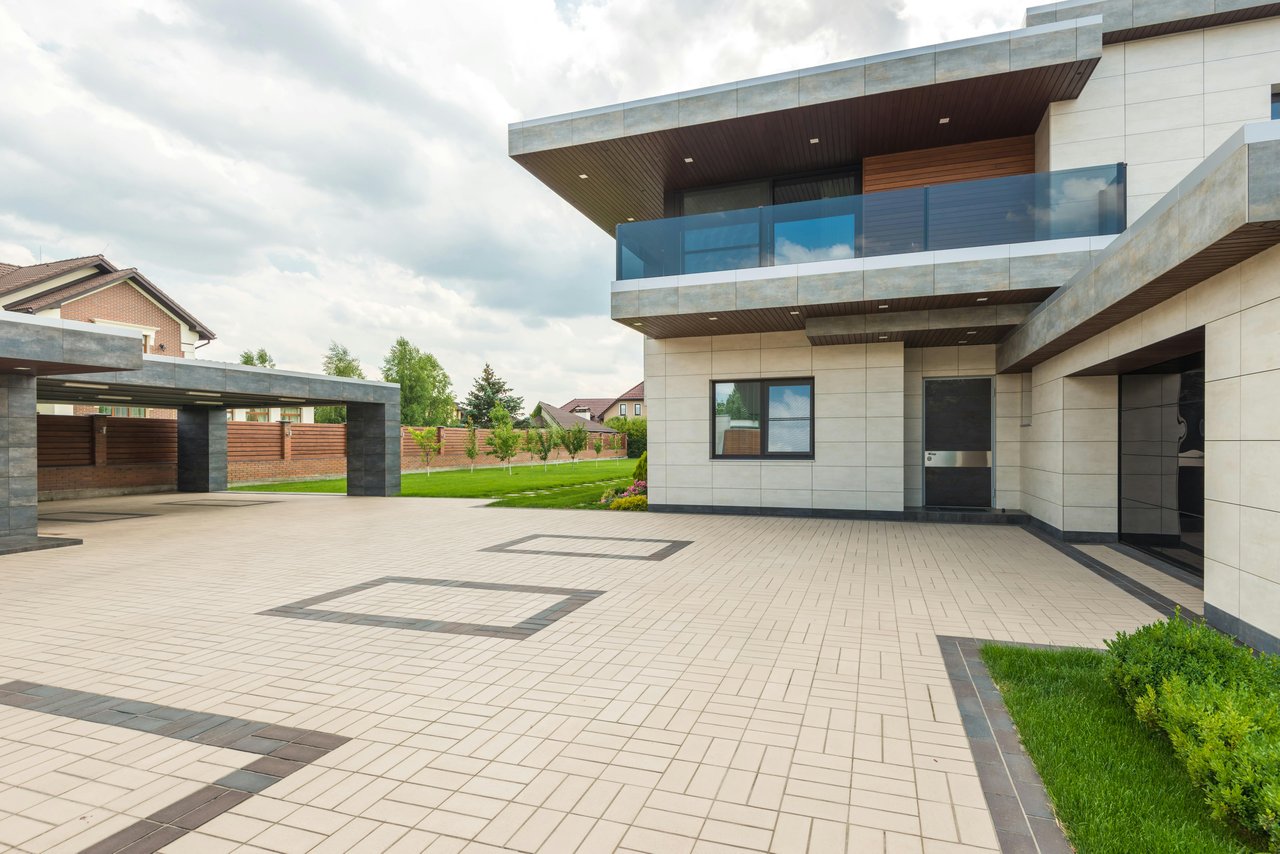
When a modern home appears in a neighborhood filled with classic architecture, the contrast is often immediately visible. Traditional homes may feature ornate facades, arched windows, and detailed rooflines, while modern homes emphasize simplicity, geometry, and transparency.
For some buyers, this contrast becomes part of the property’s appeal. A contemporary residence can feel like a piece of architectural art set within a historically rich neighborhood. The home stands out visually and creates a distinctive identity within the market.
However, other buyers may initially perceive the contrast as a mismatch between the home and its surroundings. This perception can influence how the property is received during the early stages of marketing.
Understanding the Right Buyer Profile
One of the most important aspects of selling an ultra-modern home in a traditional neighborhood is identifying the buyer audience most likely to appreciate the property. Not every luxury buyer is drawn to contemporary design. Some prefer classic estates that reflect historic architectural traditions.
However, there is a distinct group of buyers who actively seek modern architecture. Entrepreneurs, designers, and technology professionals often gravitate toward homes that reflect innovation and minimalism. For these buyers, a modern residence in a prestigious neighborhood offers the best of both worlds.
They gain access to a desirable location while enjoying a home that reflects their personal aesthetic.
Positioning the Home as an Architectural Statement
Marketing plays a crucial role in shaping how buyers perceive a modern home within a traditional setting. Instead of presenting the property as simply another listing in the neighborhood, successful marketing emphasizes the architectural significance of the home.
Professional photography, architectural storytelling, and thoughtful narrative descriptions help buyers understand the design philosophy behind the property. The home becomes more than a structure. It becomes an architectural experience.
When positioned correctly, the contrast between modern design and traditional surroundings can actually enhance the home’s perceived uniqueness.
Highlighting Lifestyle Benefits
Modern homes often offer lifestyle advantages that traditional properties may lack. Expansive glass walls create strong connections between indoor and outdoor spaces. Open floor plans encourage entertaining and social interaction. Smart home technology integrates seamlessly into contemporary design.
By highlighting these features, marketing materials help buyers imagine how daily life unfolds within the property. Instead of focusing solely on architectural style, the conversation shifts toward lifestyle experience.
This perspective allows buyers to evaluate the home based on how it supports their preferred way of living.
Addressing Neighborhood Context
Another important aspect of marketing ultra-modern homes involves acknowledging the surrounding neighborhood context. Buyers considering these properties often want reassurance that the home integrates well with its environment.
Landscape design, privacy elements, and thoughtful architectural orientation can help modern homes feel harmonious within traditional neighborhoods. When buyers see that the property respects its surroundings while offering contemporary design, their concerns often diminish.
This balance between innovation and context strengthens the overall appeal of the property.
Pricing Strategy for Architectural Homes
Pricing also plays a significant role in how modern homes perform within traditional neighborhoods. Because these properties may not have many direct comparable sales, determining appropriate pricing requires careful analysis.
Experienced luxury brokers often evaluate architectural quality, location, views, and design significance when positioning these homes within the market. In some cases, ultra-modern homes can command premiums precisely because they offer something different from the surrounding inventory.
The key is ensuring that pricing reflects both the uniqueness of the property and the expectations of buyers searching within that neighborhood.
Why Architectural Diversity Strengthens Neighborhoods
Interestingly, the presence of modern homes within traditional neighborhoods often enhances the architectural richness of the area. Over time, many luxury neighborhoods evolve as new architectural styles emerge and coexist with historic properties.
This diversity creates visually dynamic streetscapes and attracts a wider range of buyers. Neighborhoods that embrace architectural evolution often remain vibrant and desirable for decades.
In Los Angeles, where creativity and innovation shape many aspects of the city’s identity, this architectural diversity has become a defining characteristic of the luxury real estate landscape.
Selling an ultra-modern home in a traditional neighborhood ultimately requires embracing the contrast rather than minimizing it. When presented thoughtfully, the property can stand out as a rare architectural opportunity within a prestigious location.
Buyers who appreciate contemporary design often recognize that these homes offer something distinctive. They represent the intersection of modern architecture and timeless location.
With the right strategy, this combination can become one of the most compelling value propositions in the luxury real estate market.
Stay up to date on the latest real estate trends.
Hollywood Living
How international capital influences the Los Angeles luxury real estate market.
Hollywood Living
Understanding how ultra-high-net-worth buyers evaluate luxury properties in Los Angeles.
Hollywood Living
Why more luxury properties in Los Angeles are selling privately off market.
Hollywood Living
Navigating the emotional and strategic aspects of selling high-end homes in Los Angeles.
Hollywood Living
Understanding the psychology behind hesitation in luxury real estate decisions.
Hollywood Living
How psychological anchoring influences pricing decisions in the Los Angeles luxury property market.
Hollywood Living
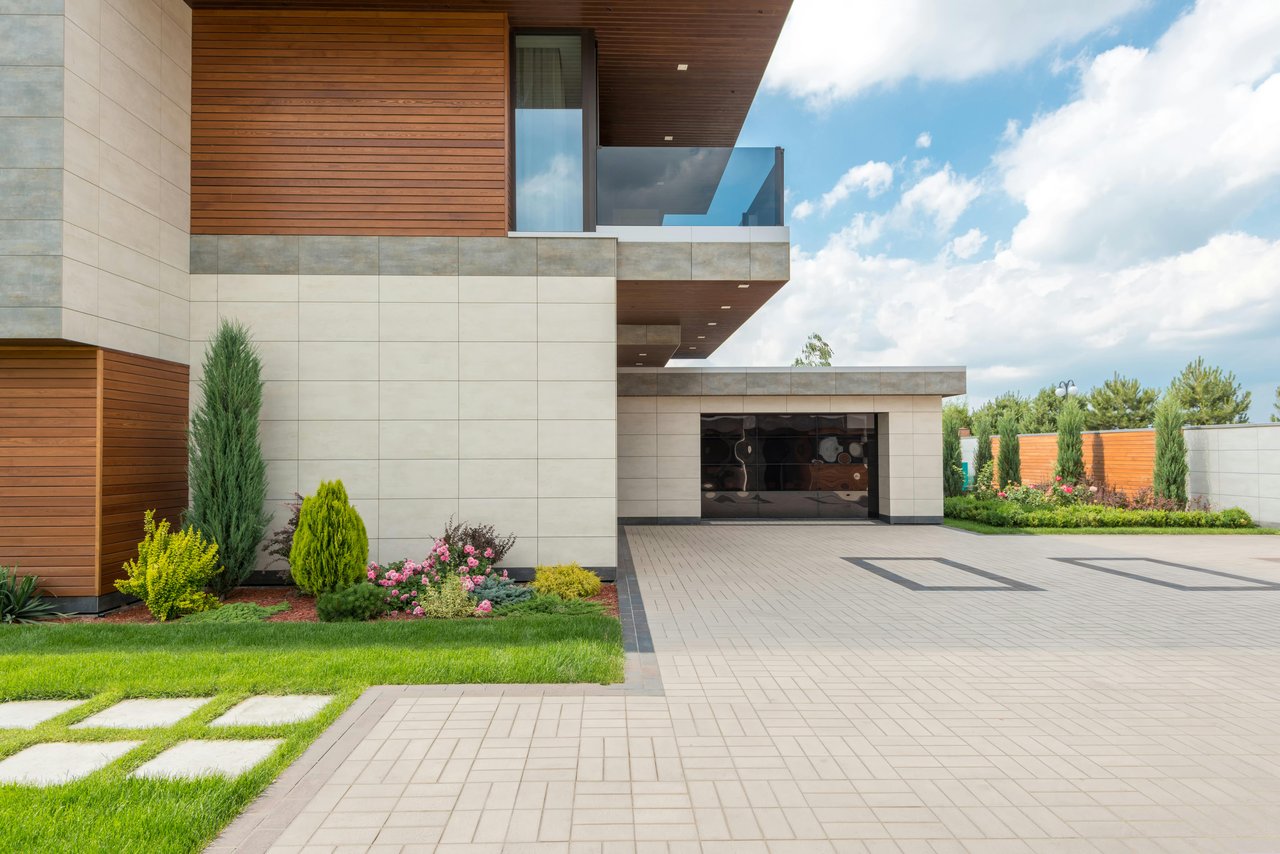
How architectural modern homes compete in traditionally styled luxury neighborhoods in Los Angeles.
Hollywood Living
Strategic approaches for relaunching luxury homes in the Los Angeles real estate market.
Hollywood Living
Strategic negotiation approaches used to maintain strong pricing in Los Angeles luxury real estate.
Our agents are experienced with buying and selling properties in the Hollywood Hills and beyond. Consult with us today!