Understanding Highest and Best Use in Luxury Real Estate
Hollywood Living
Hollywood Living
In luxury real estate, the value of a property is not always determined solely by the structure that currently sits on the land. In cities like Los Angeles, where architectural homes in neighborhoods such as Beverly Hills, Bel Air, and the Hollywood Hills can command extraordinary prices, a property's true worth is often tied to a concept known as “highest and best use.” This principle, widely used by developers, investors, and appraisers, refers to the most profitable, legally permissible, and physically possible way a property can be utilized. Understanding this concept can reveal why certain homes sell for prices that seem far above the value of the structure itself and why developers sometimes replace existing homes with entirely new architectural residences.
In real estate valuation, highest and best use refers to the most productive use of a property that maximizes its overall value. Determining this use involves evaluating several factors simultaneously. The property must be legally permissible under zoning regulations, physically possible based on the size and topography of the lot, financially feasible in terms of development costs, and maximally productive in terms of market demand.
In luxury real estate markets like Los Angeles, these considerations become particularly important because land itself is often more valuable than the existing structures built upon it. A property located in a prime neighborhood may hold development potential that far exceeds the value of the current home.
When buyers purchase a property with redevelopment potential, they are often evaluating what the land could become rather than what it currently is.
Los Angeles provides an ideal environment for highest and best use analysis because of its limited supply of prime land. In prestigious neighborhoods such as the Bird Streets, Beverly Hills Flats, and Bel Air, available building lots are extremely scarce. When an older home becomes available on a desirable lot, developers often view the property as an opportunity to create something more valuable.
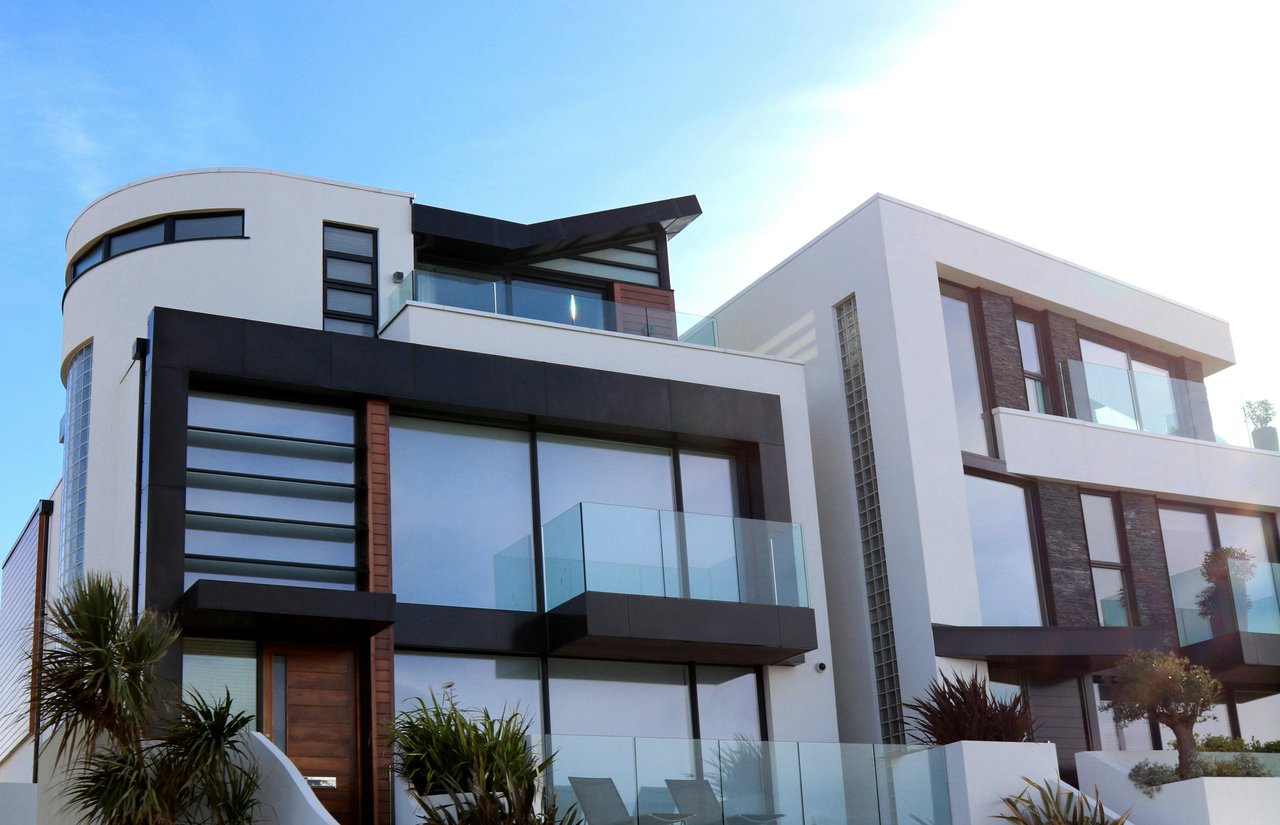
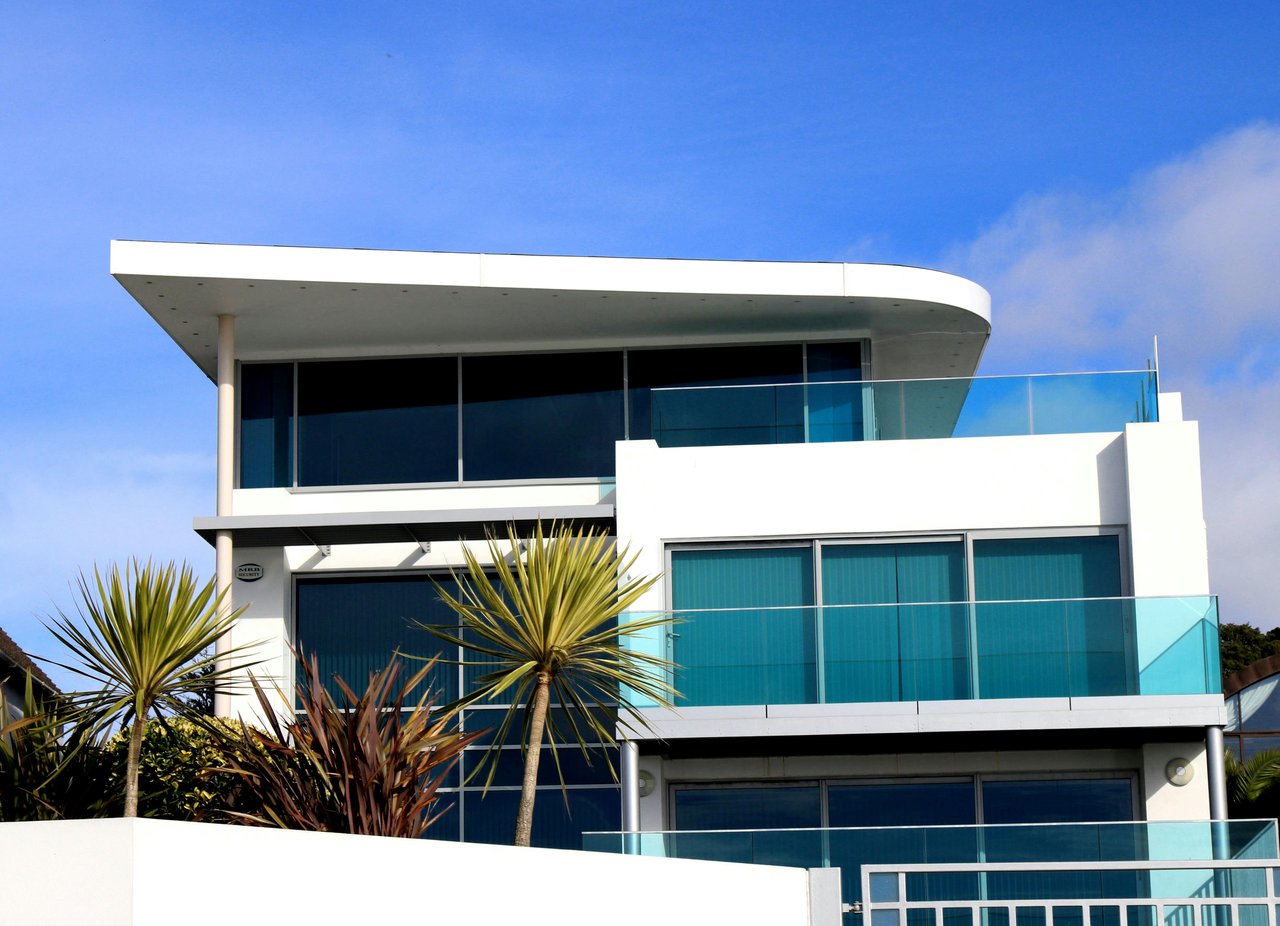
This process has shaped many of the luxury neighborhoods in Los Angeles. Homes built decades ago are frequently replaced by contemporary architectural residences designed to capture panoramic views, maximize square footage, and integrate modern luxury amenities.
From a market perspective, this transformation often increases the value of the property significantly.
In many luxury markets, land value represents a substantial portion of the total property price. Buyers interested in redevelopment opportunities frequently analyze properties based on the underlying land rather than the structure itself.
For example, a modest home located on a large lot in the Hollywood Hills may attract attention from developers who recognize that the site could support a modern luxury residence with expansive city views. The purchase price of the property reflects the development potential rather than the condition of the existing home.
This dynamic explains why some properties sell quickly despite appearing outdated or in need of renovation.
Determining highest and best use also requires careful analysis of zoning regulations and local building codes. Los Angeles neighborhoods often have specific restrictions regarding building height, lot coverage, setbacks, and hillside construction.
These rules influence what developers are able to build on a particular property. A large lot may appear capable of supporting a massive luxury estate, but zoning limitations may restrict the scale or design of future construction.
Experienced developers and real estate professionals evaluate these legal factors carefully before purchasing properties for redevelopment.
Beyond legal considerations, the physical characteristics of a property also influence its highest and best use. Factors such as lot size, topography, access to roads, and views all shape development potential.
In hillside areas like the Hollywood Hills, the slope of the land may determine how a home can be designed. Some lots offer extraordinary panoramic views but require sophisticated engineering to support large structures. Others may allow for expansive outdoor spaces such as terraces, pools, and gardens.
Understanding how these physical attributes influence design possibilities helps developers envision the optimal use of the land.
Even when a development project is legally permissible and physically possible, it must still make financial sense. Developers carefully evaluate construction costs, potential resale values, and buyer demand before committing to large projects.
In luxury markets such as Beverly Hills and Bel Air, demand for modern architectural homes with panoramic views remains strong. Buyers are often willing to pay premium prices for newly constructed residences that incorporate contemporary design and advanced technology.
This demand encourages developers to pursue projects that maximize the potential value of a property.
Not every property with redevelopment potential is demolished and rebuilt. In some cases, the highest and best use of a property may involve significant renovation rather than complete reconstruction.
Historic homes or architecturally significant properties may retain their original structures while undergoing extensive modernization. Renovations can preserve the character of the home while aligning it with contemporary design standards.
In other cases, the structure itself may hold little architectural value, making redevelopment the more attractive option.
Developers play a significant role in identifying properties with untapped potential. Experienced developers often recognize opportunities where others see limitations. A hillside lot with an aging structure may appear unremarkable to a traditional buyer but represent a prime development opportunity to a builder with architectural vision.
This ability to imagine what a property could become is central to the concept of highest and best use.
For homeowners considering selling property in Los Angeles, understanding highest and best use can influence pricing strategy. A home located on a large or strategically positioned lot may attract interest from both end users and developers.
When developers recognize redevelopment potential, they may be willing to pay a premium for the property. This dynamic can create additional demand that benefits the seller.
However, properly positioning the property requires understanding how buyers perceive its development potential and communicating that potential effectively in marketing materials.
As Los Angeles continues to evolve, the concept of highest and best use will remain central to luxury real estate development. Limited land availability, architectural innovation, and global demand for high-end homes will continue shaping how properties are redeveloped and reimagined.
For buyers, sellers, and investors, recognizing the hidden potential within a property can reveal opportunities that extend far beyond the existing structure.
Stay up to date on the latest real estate trends.
Hollywood Living
How international capital influences the Los Angeles luxury real estate market.
Hollywood Living
Understanding how ultra-high-net-worth buyers evaluate luxury properties in Los Angeles.
Hollywood Living
Why more luxury properties in Los Angeles are selling privately off market.
Hollywood Living
Navigating the emotional and strategic aspects of selling high-end homes in Los Angeles.
Hollywood Living
Understanding the psychology behind hesitation in luxury real estate decisions.
Hollywood Living
How psychological anchoring influences pricing decisions in the Los Angeles luxury property market.
Hollywood Living
How architectural modern homes compete in traditionally styled luxury neighborhoods in Los Angeles.
Hollywood Living
Strategic approaches for relaunching luxury homes in the Los Angeles real estate market.
Hollywood Living
Strategic negotiation approaches used to maintain strong pricing in Los Angeles luxury real estate.
Our agents are experienced with buying and selling properties in the Hollywood Hills and beyond. Consult with us today!