Why Luxury Is More About Perception Than Price
Hollywood Living
Hollywood Living
In traditional real estate markets, value is often measured through tangible factors such as square footage, number of bedrooms, and comparable sales. In luxury real estate, however, these metrics tell only part of the story. In cities like Los Angeles, where properties in Beverly Hills, Bel Air, and the Hollywood Hills regularly command extraordinary prices, the true driver of value is often perception. Luxury buyers rarely evaluate properties solely through spreadsheets and price-per-square-foot calculations. Instead, they respond to a combination of architecture, lifestyle, narrative, and emotional experience. The perception of luxury can transform a property from a well-designed home into something that feels rare and aspirational.
Luxury markets operate differently from traditional housing markets because the motivations of buyers are different. Buyers purchasing homes at the highest price tiers are rarely constrained by strict affordability calculations. Many are entrepreneurs, investors, or global buyers who already own multiple properties.
For these individuals, purchasing a home is not simply about acquiring shelter or even making a purely financial investment. It is about lifestyle, identity, and personal expression. The home becomes a reflection of how the owner sees themselves and how they want to experience the world around them.
Because of this emotional dimension, perception becomes central to how luxury properties are valued. A home that creates a powerful emotional impression can command a premium that far exceeds what traditional valuation models might predict.
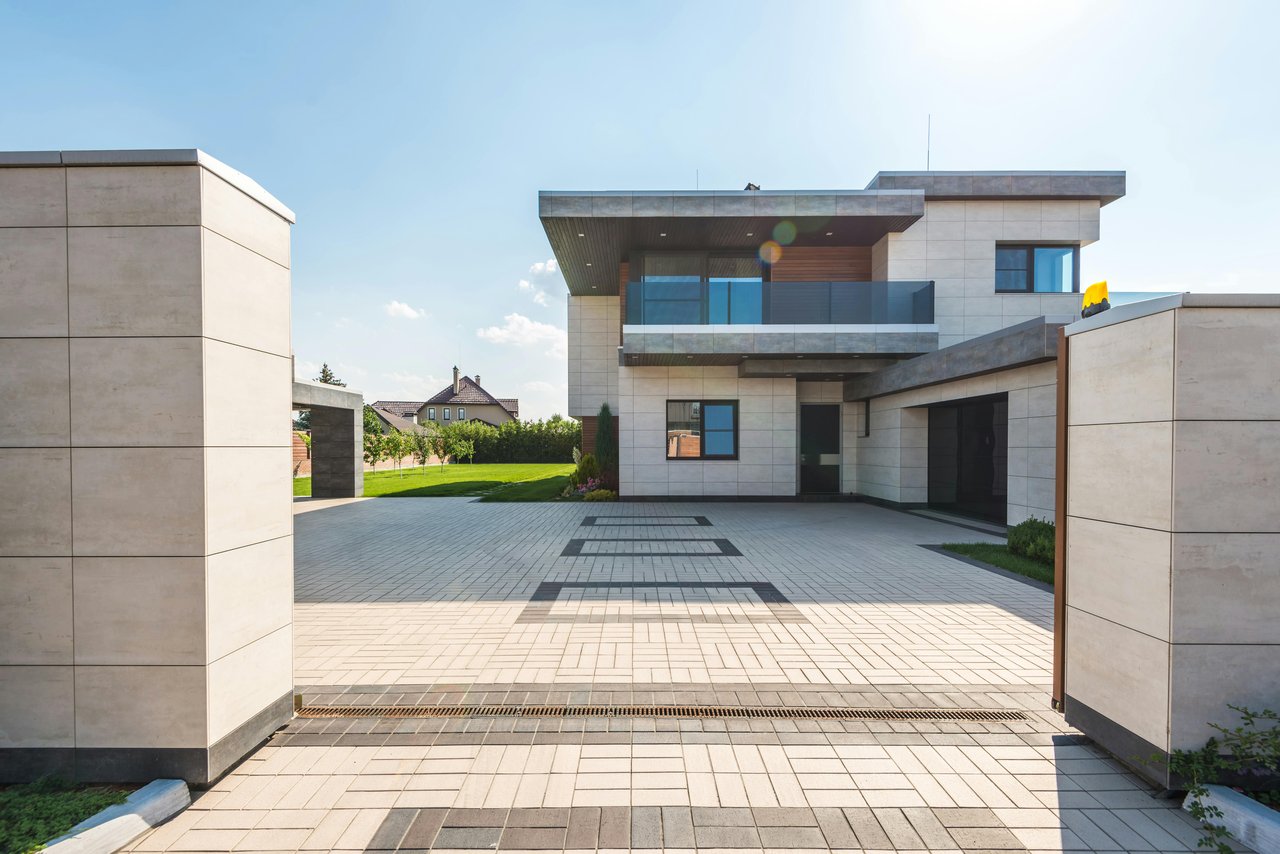
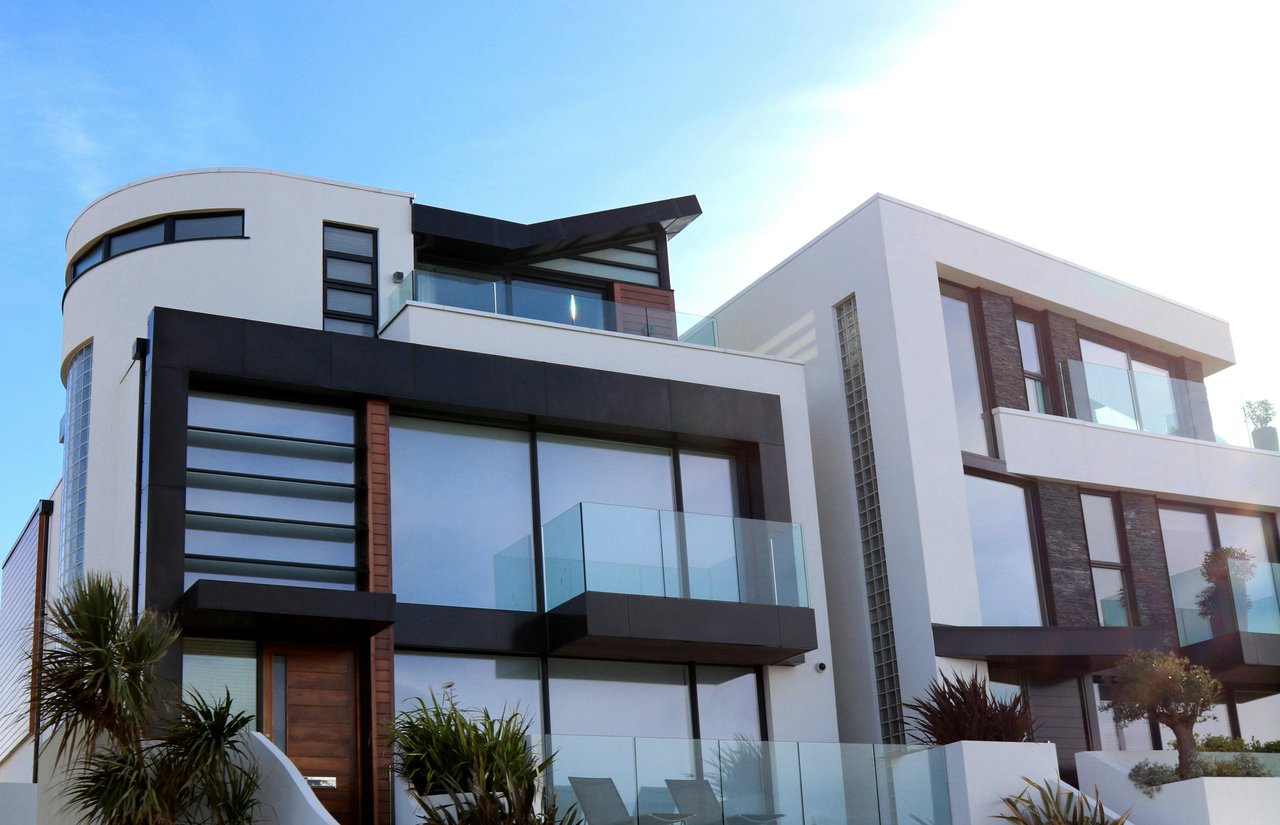
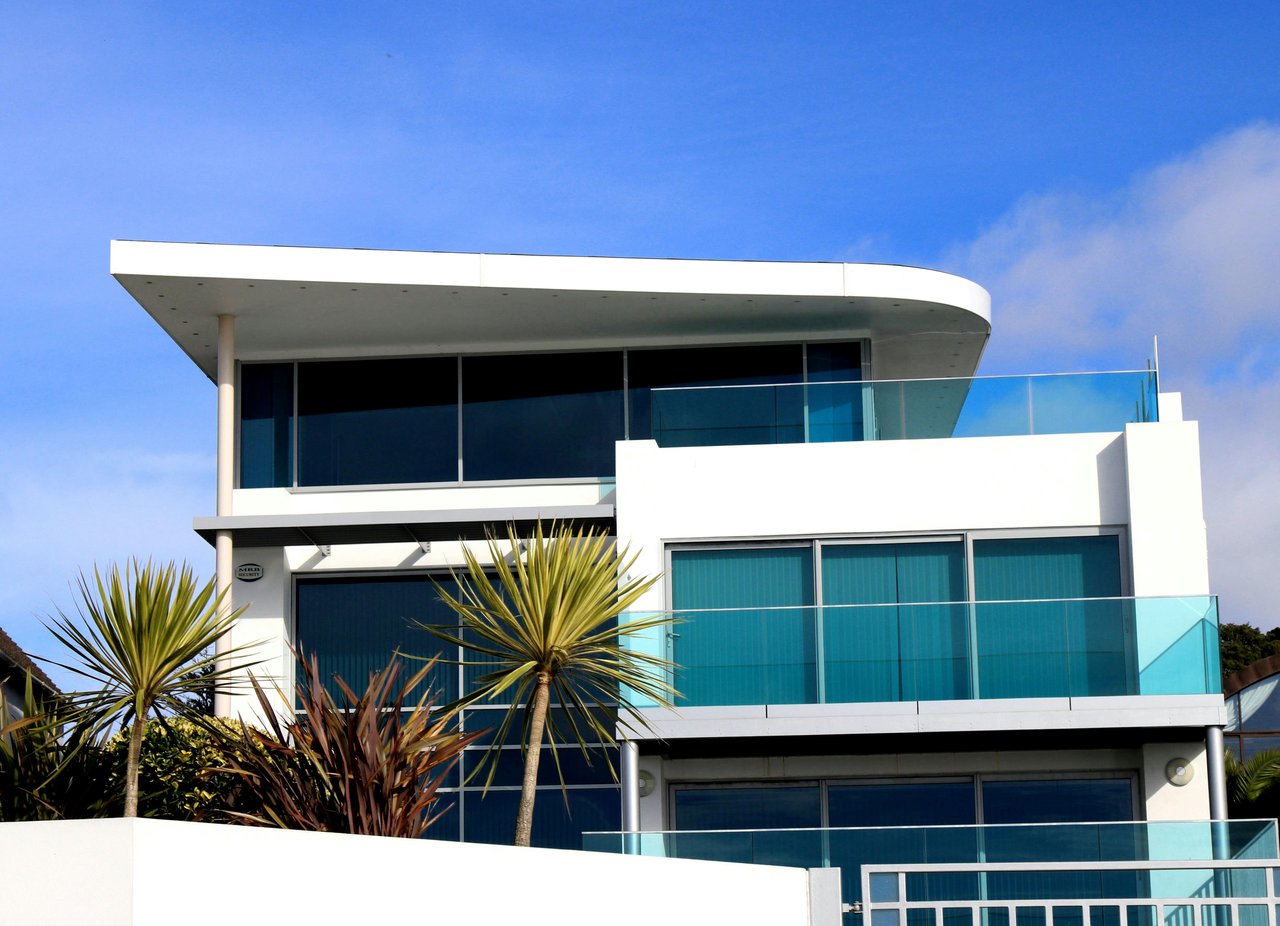
Architecture plays a major role in shaping perception within luxury real estate. Distinctive design often signals that a property is not simply another home but a piece of architectural expression. Contemporary residences in the Hollywood Hills, for example, often feature dramatic glass walls, cantilevered terraces, and panoramic views that transform the home into a visual statement.
These architectural elements communicate exclusivity. When buyers encounter a property that feels unique and visually compelling, they often perceive it as more valuable even before considering practical details.
This is one reason why architect-designed homes frequently outperform more conventional properties in the luxury market.
Location has always been a cornerstone of real estate value, but in luxury markets it also contributes to narrative. Owning a home in Beverly Hills or Bel Air carries cultural meaning beyond the physical property itself. These neighborhoods have become symbols of prestige, privacy, and global influence.
When buyers purchase homes in these locations, they are also purchasing access to the identity associated with the area. The address becomes part of the story the property tells.
This narrative dimension strengthens perception because the home represents more than architecture. It represents belonging to a specific lifestyle and community.
Luxury real estate marketing often relies heavily on lifestyle imagery to reinforce perception. Photographs that capture sunset views over the Los Angeles skyline, elegant outdoor entertaining spaces, or serene interior environments help buyers imagine what it would feel like to live in the home.
These visual cues shape the emotional experience of the property before buyers ever visit in person. Instead of simply evaluating features, buyers begin to picture themselves enjoying the lifestyle the property represents.
When marketing successfully communicates this experience, the perceived value of the home increases dramatically.
Storytelling is another powerful tool that influences perception in luxury real estate. A home can be presented as a modern architectural retreat, a private sanctuary above the city, or a historic estate with cultural significance. These narratives help buyers interpret the property in ways that emphasize its uniqueness.
Without storytelling, even extraordinary homes can appear ordinary within the context of online listings. With a compelling narrative, however, the same property may feel rare and desirable.
Luxury buyers are particularly responsive to storytelling because they are often seeking properties that feel meaningful rather than purely functional.
Interestingly, price itself does not automatically create the perception of luxury. A home listed at an extremely high price without strong architecture, design, or narrative may struggle to attract serious buyers. In some cases, overpriced homes that lack distinctive character can remain on the market for extended periods.
Conversely, a property with exceptional design and compelling marketing can generate intense interest even at premium price levels.
This dynamic illustrates that luxury value emerges from the combination of perception, experience, and positioning rather than price alone.
Luxury real estate brands also contribute to perception. Brokerages that specialize in high-end properties often present listings with carefully curated visual identities, cinematic photography, and refined marketing materials.
These elements reinforce the idea that the property belongs within a specific category of real estate. Buyers encountering this presentation begin to interpret the home through the lens of luxury branding.
When the branding aligns with the architecture and lifestyle narrative of the property, perception becomes even stronger.
Ultimately, luxury real estate is about creating experiences that remain memorable long after a showing ends. Buyers touring homes in the Hollywood Hills or Beverly Hills may visit multiple properties during a single day. The homes that stand out are those that create a distinct emotional impression.
A dramatic entry sequence, a breathtaking view revealed at the right moment, or a living space filled with natural light can transform the way buyers perceive the home. These moments often influence purchasing decisions more strongly than technical specifications.
In the end, luxury real estate markets are shaped by how buyers perceive value rather than how analysts calculate it. Architecture, design, location, and storytelling combine to create properties that feel rare and aspirational.
For sellers, understanding this dynamic is critical. Successfully positioning a luxury home requires more than simply listing its features. It requires crafting an experience that communicates why the property is exceptional.
In cities like Los Angeles, where luxury homes compete on a global stage, perception often becomes the most powerful driver of value.
Stay up to date on the latest real estate trends.
Hollywood Living
How international capital influences the Los Angeles luxury real estate market.
Hollywood Living
Understanding how ultra-high-net-worth buyers evaluate luxury properties in Los Angeles.
Hollywood Living
Why more luxury properties in Los Angeles are selling privately off market.
Hollywood Living
Navigating the emotional and strategic aspects of selling high-end homes in Los Angeles.
Hollywood Living
Understanding the psychology behind hesitation in luxury real estate decisions.
Hollywood Living
How psychological anchoring influences pricing decisions in the Los Angeles luxury property market.
Hollywood Living
How architectural modern homes compete in traditionally styled luxury neighborhoods in Los Angeles.
Hollywood Living
Strategic approaches for relaunching luxury homes in the Los Angeles real estate market.
Hollywood Living
Strategic negotiation approaches used to maintain strong pricing in Los Angeles luxury real estate.
Our agents are experienced with buying and selling properties in the Hollywood Hills and beyond. Consult with us today!