Why “Unique” Homes Require Strategic Storytelling
Hollywood Living
Hollywood Living
In the Los Angeles luxury real estate market, uniqueness can be both a strength and a challenge. Many homes in neighborhoods such as the Hollywood Hills, Beverly Hills, and Bel Air are defined by architectural experimentation, dramatic hillside locations, and bold design concepts that push beyond traditional residential design. While these qualities can make a property visually striking, they also mean the home may not appeal to every buyer in the luxury market. Unlike more conventional properties, unique homes require a thoughtful marketing approach that communicates not only what the home is, but why it exists in the first place. This is where strategic storytelling becomes essential.
Conventional luxury homes tend to follow established design expectations. Buyers often anticipate large open kitchens, expansive primary suites, and layouts designed for entertaining. These features create familiarity that allows buyers to easily imagine themselves living within the home.
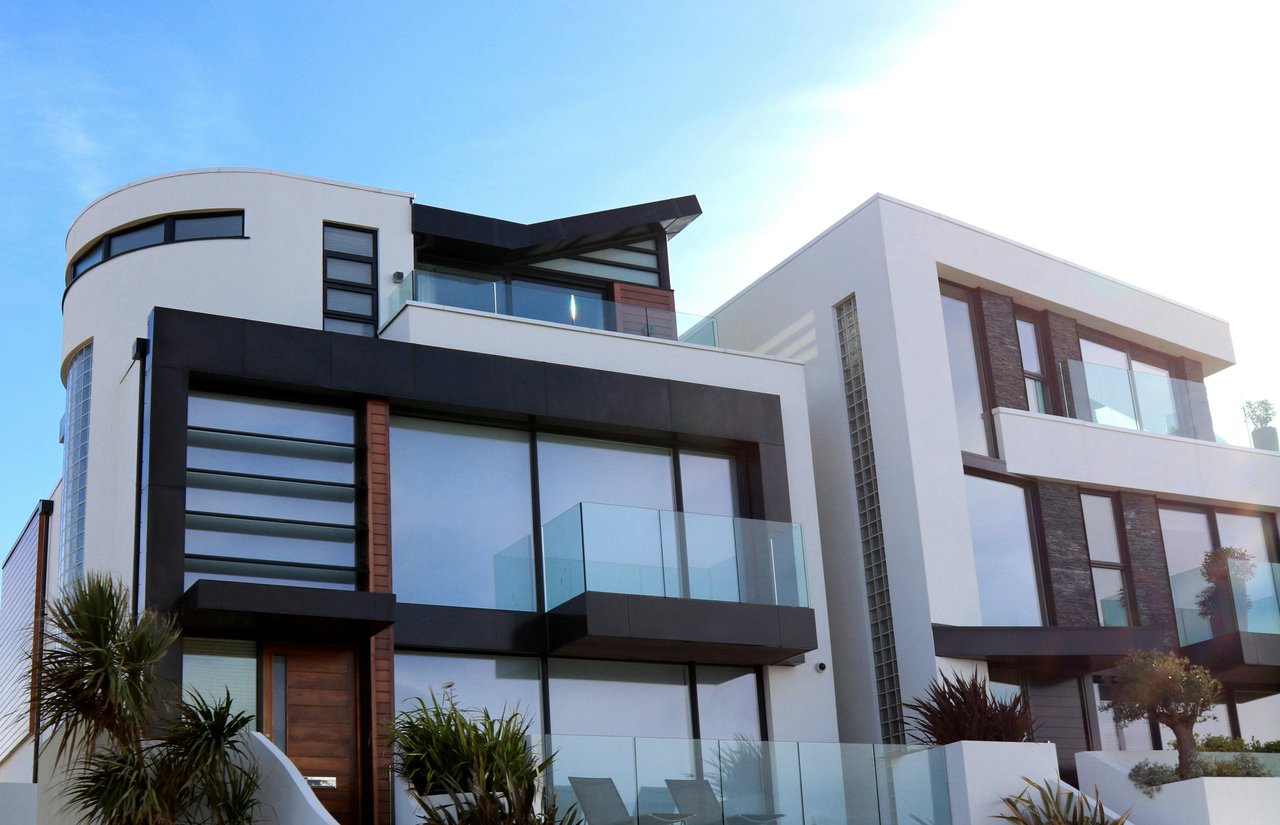
Unique homes operate differently. They may be architect-designed structures with unconventional layouts, sculptural forms, or dramatic use of materials. Some homes in the Hollywood Hills appear almost suspended above the city, with cantilevered terraces and walls of glass framing panoramic views. Others incorporate historic architectural elements that reflect a particular design movement or creative philosophy.
While these homes can be extraordinary, they sometimes require buyers to think differently about how the property functions. Without the right narrative, buyers may struggle to understand the intention behind the design. Strategic storytelling helps bridge that gap.
When buyers walk into a home with a traditional layout, they immediately recognize how each room functions. The experience feels intuitive. With architecturally unique homes, however, the experience can be more abstract. A dramatic open living space or a split-level design may feel unfamiliar at first glance.
Storytelling provides context that allows buyers to appreciate these design choices. Instead of simply presenting a property as unusual, strategic marketing explains the architectural vision behind it. The home becomes an expression of design philosophy rather than an anomaly in the market.
For example, a modern hillside home designed with expansive glass walls may emphasize the idea of dissolving the boundary between interior and exterior spaces. When buyers understand that the architecture was intentionally designed to frame the Los Angeles skyline as a living artwork, the home begins to feel purposeful rather than unconventional.
Every architecturally unique property has a story embedded within its design. Some homes were created by renowned architects whose work reflects specific design movements. Others were built by developers seeking to push the boundaries of modern construction techniques. In many cases, the property’s story is intertwined with the cultural landscape of Los Angeles itself.
Luxury real estate marketing can bring these narratives to life. Instead of simply describing the home’s features, the narrative explains the inspiration behind the architecture, the relationship between the structure and its environment, and the lifestyle the home is designed to support.
When buyers understand the vision behind a property, they are more likely to appreciate its uniqueness rather than perceive it as unfamiliar or impractical.
One of the most important aspects of selling a unique luxury home is identifying the right buyer audience. Not every luxury buyer is looking for architectural experimentation. Some prefer traditional estates or contemporary homes that follow familiar design conventions.
However, there is a distinct group of buyers who actively seek properties that stand apart from the ordinary. These buyers may be entrepreneurs, creatives, or collectors who view architecture as a form of personal expression. For them, owning a distinctive home is part of their identity.
Strategic storytelling helps connect the property with these buyers by highlighting the qualities that make the home special. Rather than attempting to appeal to everyone, the narrative focuses on the individuals most likely to appreciate the design.
Photography and visual media play a particularly important role when marketing unique homes. Because the architecture itself often serves as the centerpiece of the property, imagery must capture the drama, scale, and atmosphere of the design.
In Los Angeles, where natural light and hillside views are integral to many homes, photographers often use cinematic techniques to emphasize these elements. A cantilevered terrace overlooking the city becomes more than an outdoor space. It becomes a stage where architecture and landscape interact.
Visual storytelling allows potential buyers to experience the design before ever stepping inside the home.
Paradoxically, the same qualities that make unique homes more complex to market can also make them more valuable. When a property successfully captures the imagination of the right buyer, it can achieve a level of desirability that conventional homes rarely reach.
Architectural homes designed by respected architects or featuring rare design elements often become collectible assets. Buyers who appreciate design are often willing to pay a premium for properties that stand apart from the standard luxury inventory.
Strategic storytelling helps reveal this value by positioning the home as a rare opportunity rather than an unconventional listing.
The Role of Strategic Representation
Selling a unique home requires a deeper level of market understanding than selling a conventional property. The brokerage representing the home must understand how to interpret architecture, identify the right buyer audience, and craft a narrative that communicates the home’s significance.
In Los Angeles, where architectural innovation and creative culture intersect, this skill becomes especially important. Brokerages that approach luxury real estate with a design-oriented mindset are often better equipped to translate architectural uniqueness into market value.
When the story of the home is communicated clearly and thoughtfully, buyers begin to see the property not simply as a structure but as an experience worth owning.
In the end, the value of a unique luxury home lies not only in its materials or location but also in its narrative. Architecture that challenges convention requires explanation, context, and inspiration. Strategic storytelling allows buyers to understand why the home was designed the way it was and how it can enrich their lives.
In a city known for creativity and ambition, unique homes reflect the spirit of Los Angeles itself. When marketed thoughtfully, these properties become more than listings. They become expressions of vision and individuality.
Stay up to date on the latest real estate trends.
Hollywood Living
How international capital influences the Los Angeles luxury real estate market.
Hollywood Living
Understanding how ultra-high-net-worth buyers evaluate luxury properties in Los Angeles.
Hollywood Living
Why more luxury properties in Los Angeles are selling privately off market.
Hollywood Living
Navigating the emotional and strategic aspects of selling high-end homes in Los Angeles.

Hollywood Living
Understanding the psychology behind hesitation in luxury real estate decisions.
Hollywood Living
How psychological anchoring influences pricing decisions in the Los Angeles luxury property market.
Hollywood Living
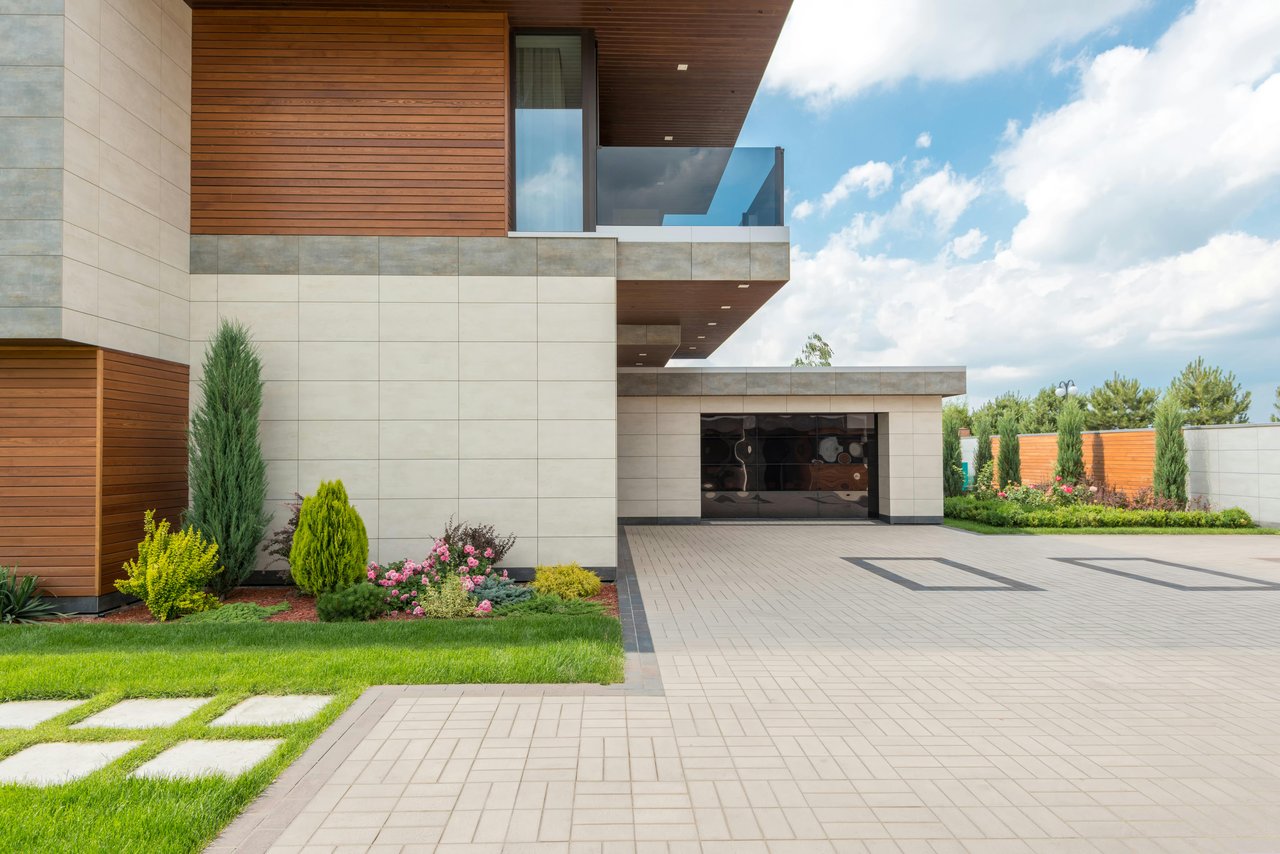
How architectural modern homes compete in traditionally styled luxury neighborhoods in Los Angeles.
Hollywood Living
Strategic approaches for relaunching luxury homes in the Los Angeles real estate market.

Hollywood Living
Strategic negotiation approaches used to maintain strong pricing in Los Angeles luxury real estate.
Our agents are experienced with buying and selling properties in the Hollywood Hills and beyond. Consult with us today!