What Adds the Most Value to a Luxury Home Before Selling?
Hollywood Living
Hollywood Living
Preparing a luxury home for sale in Los Angeles requires a different mindset than preparing a typical residential property. In markets like the Hollywood Hills, Beverly Hills, and the Sunset Strip, buyers are not simply evaluating square footage or location. They are evaluating experience, design, and perceived value. A multimillion-dollar home competes within a market where expectations are exceptionally high, and small details can influence a buyer’s perception of worth by hundreds of thousands of dollars. For sellers, this raises a crucial question: what actually adds value to a luxury home before selling? The answer is not always obvious. While some renovations dramatically increase market appeal and final sale price, others can be unnecessary or even counterproductive. The key is understanding which improvements align with what luxury buyers truly want.
One of the first misconceptions luxury sellers encounter is the assumption that expensive renovations automatically translate into higher property value. In reality, the relationship between cost and value is far more nuanced. A homeowner may invest significant resources into highly personalized design elements, custom materials, or niche architectural features that appeal to their own tastes but fail to resonate with buyers. The Los Angeles luxury market rewards improvements that broaden appeal while preserving the uniqueness of the property. Strategic upgrades enhance how buyers perceive the home’s quality, lifestyle potential, and architectural coherence. When renovations accomplish this, they can produce returns far beyond their initial cost.
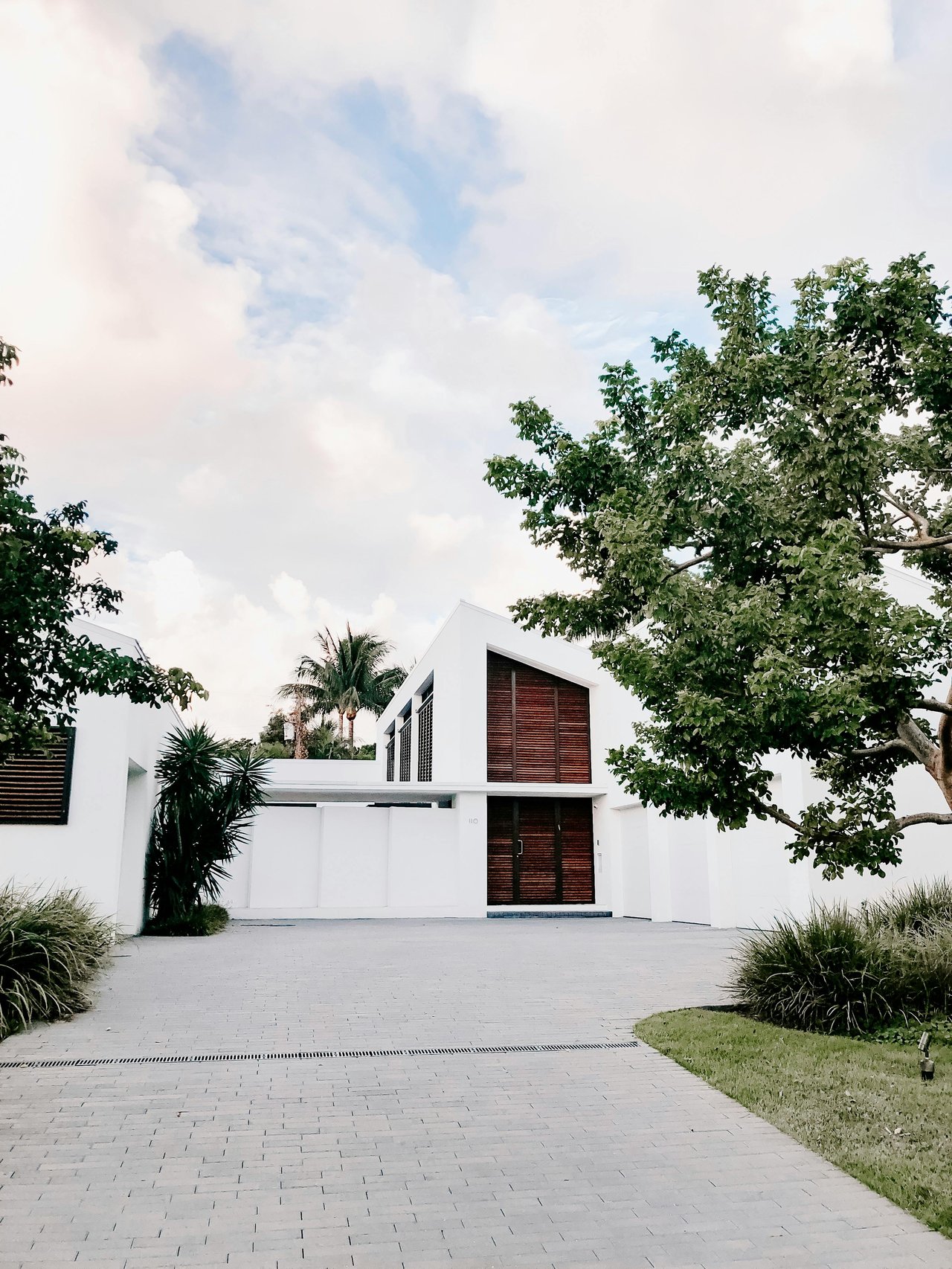
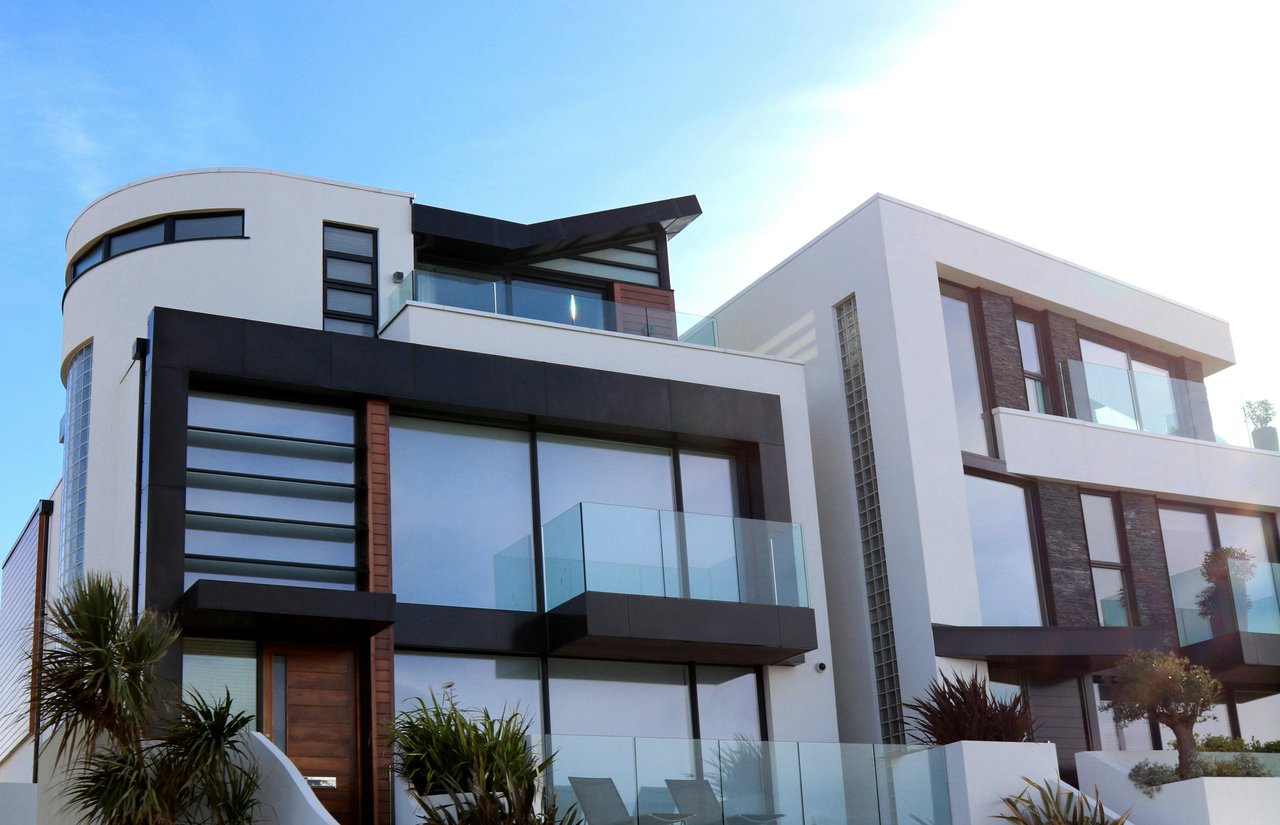
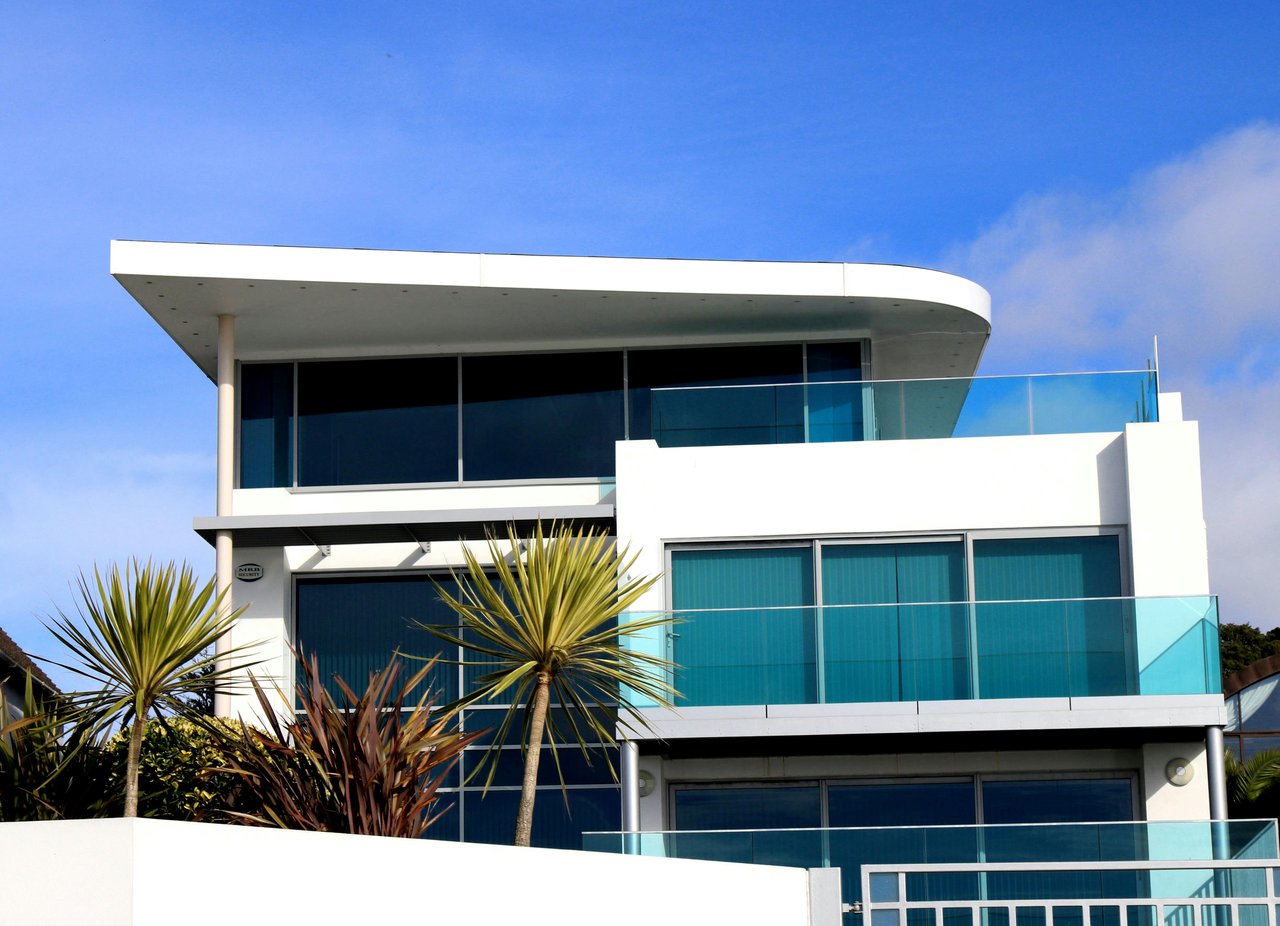
In Los Angeles, architecture plays an enormous role in luxury property value. Buyers are often drawn to homes that reflect a clear design narrative, whether that narrative is contemporary minimalism, classic Mediterranean elegance, or mid-century modern heritage. Before listing a luxury property, sellers should evaluate whether the home’s architectural identity is being fully expressed. This does not necessarily require structural changes. Sometimes the most impactful improvements involve lighting adjustments, refinishing materials, or simplifying visual clutter that obscures the home’s architectural strengths. When the design language of the home feels cohesive and intentional, buyers are more likely to perceive it as a premium property rather than a renovation project.
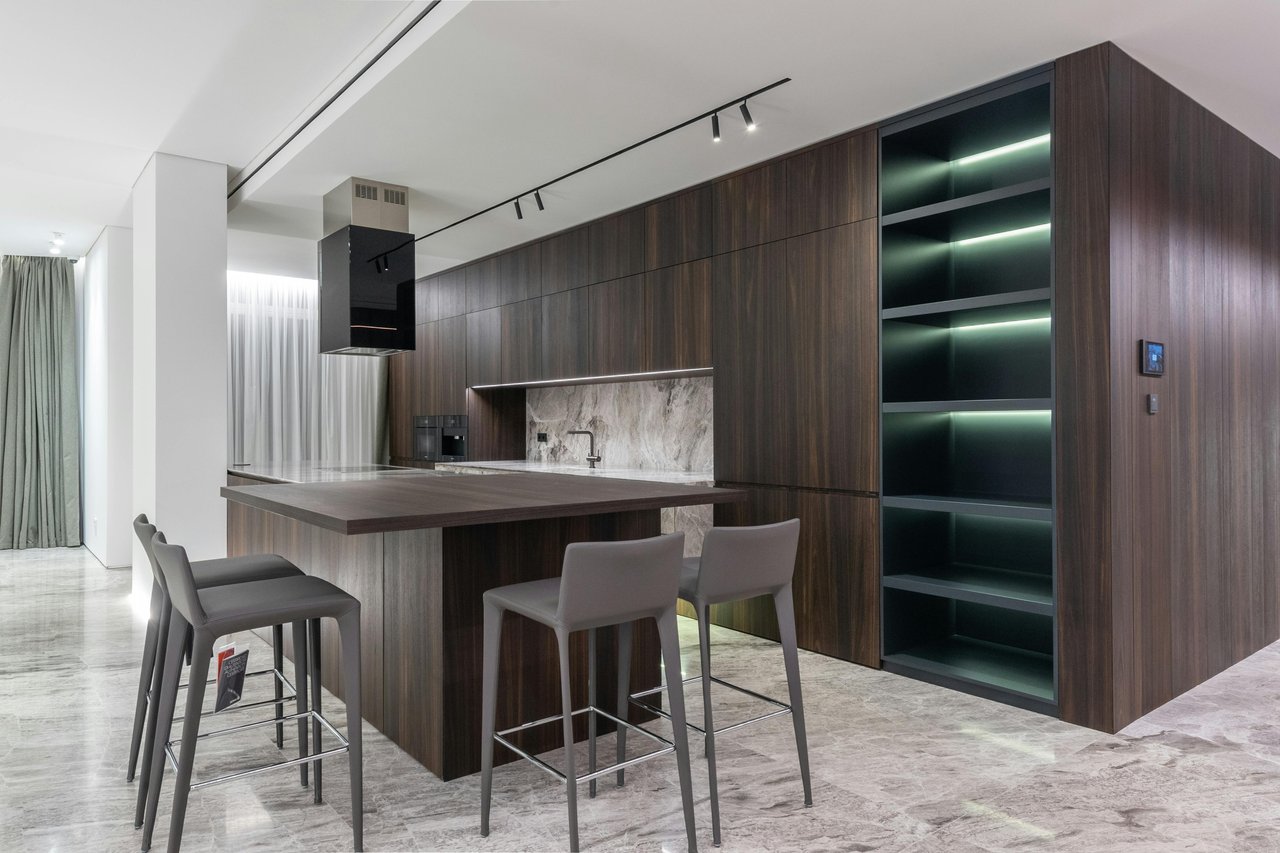
Kitchens and bathrooms remain two of the most influential spaces in luxury real estate. Buyers evaluating multimillion-dollar homes expect these areas to reflect contemporary design standards and high-end finishes. In Los Angeles, modern kitchens often emphasize clean lines, natural stone surfaces, integrated appliances, and open layouts that connect seamlessly with entertaining areas. Bathrooms are increasingly viewed as personal retreats rather than purely functional spaces. Spa-like features such as freestanding soaking tubs, large-format stone surfaces, and sophisticated lighting create a sense of luxury that resonates strongly with buyers. When kitchens and bathrooms feel outdated, even exceptional homes can lose competitive advantage.
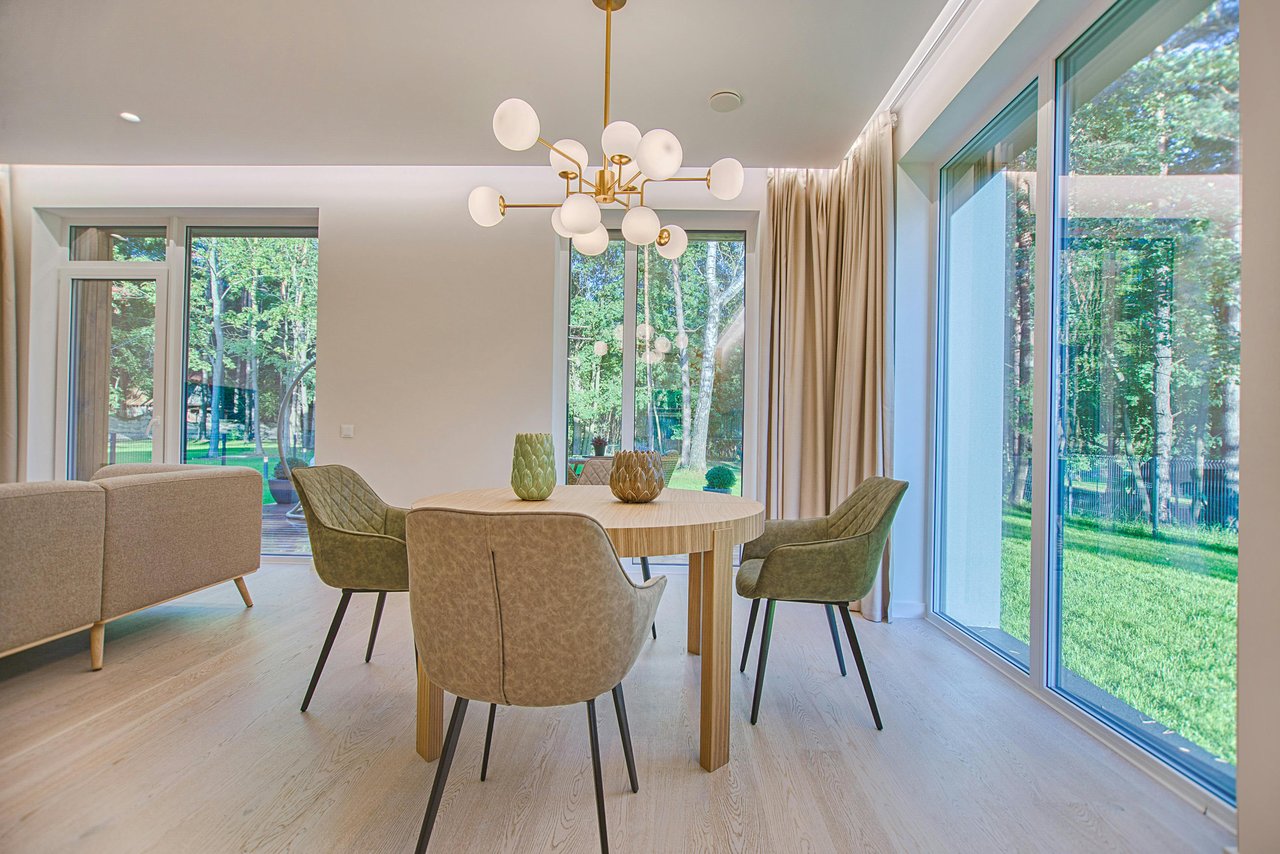
One of the defining characteristics of luxury living in Los Angeles is the ability to blend indoor and outdoor environments. Homes that successfully integrate terraces, pools, gardens, and entertaining areas into the overall design often command higher values. Before listing, sellers should assess how effectively their outdoor spaces contribute to the overall lifestyle experience of the property. Improvements such as refined landscaping, updated outdoor furniture, modern fire features, or enhanced lighting can dramatically elevate the perception of the entire home. Buyers often imagine themselves entertaining guests or enjoying quiet evenings in these spaces, so the atmosphere must feel intentional and inviting.
Lighting is one of the most underestimated factors influencing luxury property value. Natural light, architectural lighting, and ambient lighting work together to shape how buyers experience a home. Dark or poorly lit interiors can make even spacious homes feel less inviting. Strategic lighting upgrades, including modern fixtures, layered illumination, and enhanced natural light exposure, can dramatically change how a property is perceived. In luxury homes, lighting often functions as a design feature rather than a purely practical element. When thoughtfully executed, it highlights architectural details and creates a sophisticated atmosphere throughout the home.
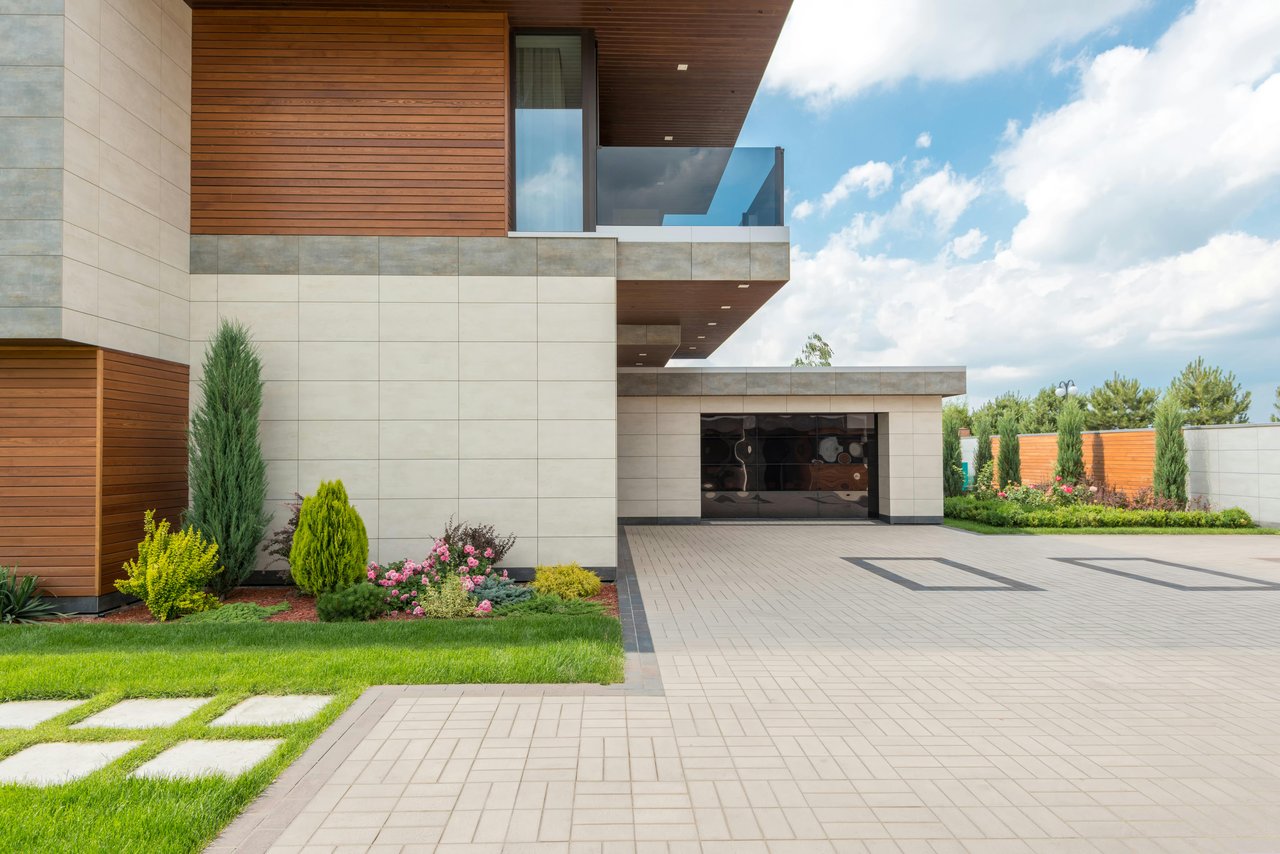
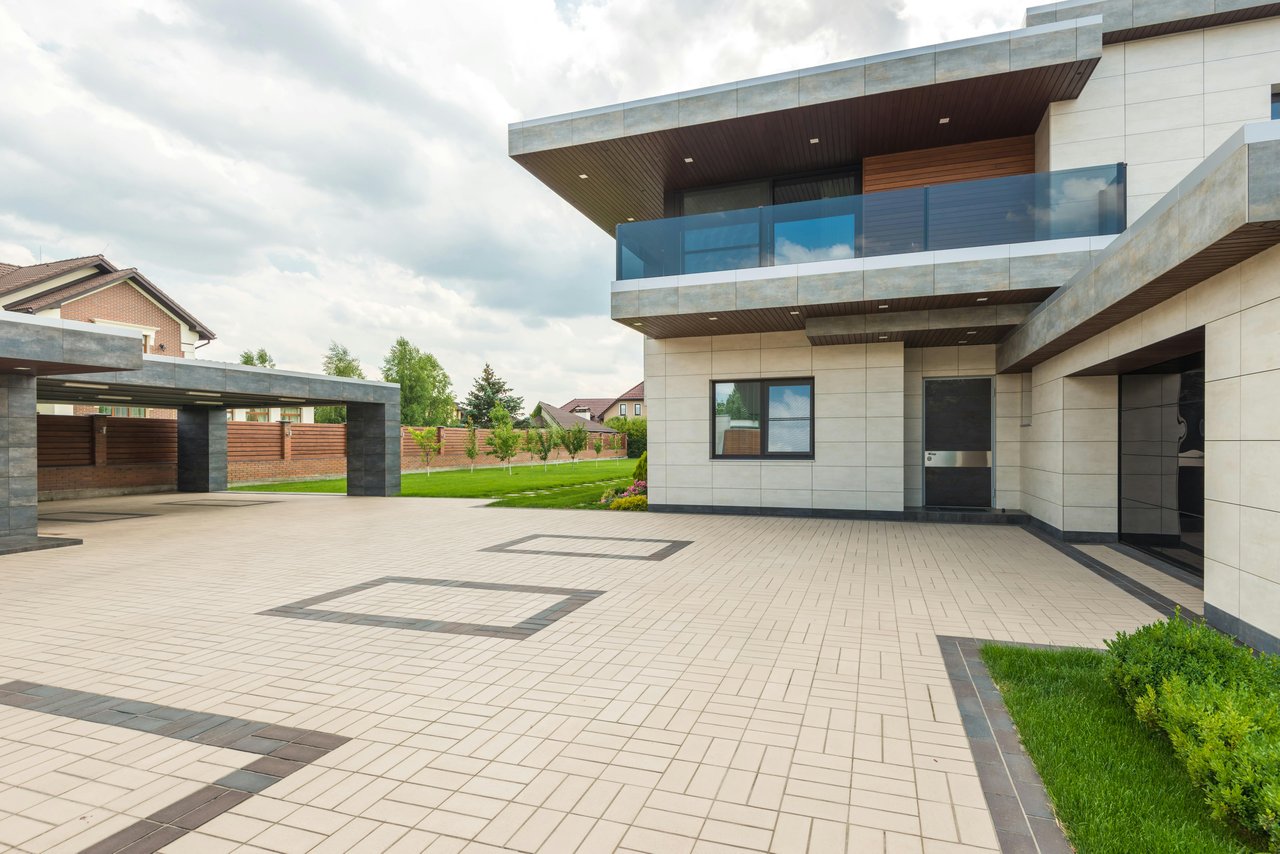
First impressions remain powerful in the luxury market. Buyers often form opinions about a property before they even step inside. The exterior presentation of the home, including landscaping, driveway condition, entryways, and architectural façade, sets the tone for the entire viewing experience. In Los Angeles, where hillside properties and view estates dominate the market, outdoor presentation is particularly important. Clean landscaping lines, modernized entry features, and subtle architectural refinements can significantly increase perceived value. When the exterior signals quality and attention to detail, buyers approach the rest of the home with a more favorable mindset.
Luxury homes occasionally suffer from what real estate professionals call functional obsolescence. This occurs when certain design elements no longer align with contemporary living patterns. Examples might include segmented floor plans that restrict flow, underutilized formal spaces, or outdated technology systems. While large structural renovations are not always necessary, small adjustments that improve functionality can have a major impact. Reimagining unused rooms, improving transitions between living areas, or integrating modern smart home technology can bring older properties in line with modern expectations.
Before implementing upgrades, luxury sellers benefit from evaluating the property through a strategic lens. A developer-led brokerage often approaches this process differently than traditional representation. Instead of simply preparing a home for listing, the property is analyzed as an asset with optimization potential. This includes assessing whether targeted improvements can increase buyer demand, enhance perceived rarity, or strengthen the home’s architectural identity. In some cases, the most valuable improvement is not renovation but repositioning the property through strategic marketing and narrative.
In Los Angeles, the luxury real estate market is highly competitive. Buyers comparing properties in the $5 million to $20 million range are often evaluating multiple homes that offer impressive design, views, and amenities. The difference between a property that sells quickly and one that lingers on the market often lies in preparation. When sellers invest in thoughtful improvements that elevate presentation, functionality, and lifestyle appeal, they create an environment where buyers perceive the property as move-in ready and architecturally complete. That perception can translate directly into stronger offers and faster transactions.
Ultimately, the improvements that add the most value to a luxury home before selling are the ones that align with buyer expectations and market positioning. Rather than focusing on the most expensive upgrades, successful sellers focus on the most strategic ones. By understanding how design, presentation, and lifestyle experiences influence luxury buyers, homeowners can make targeted decisions that enhance both perceived value and market competitiveness.
Stay up to date on the latest real estate trends.
Hollywood Living
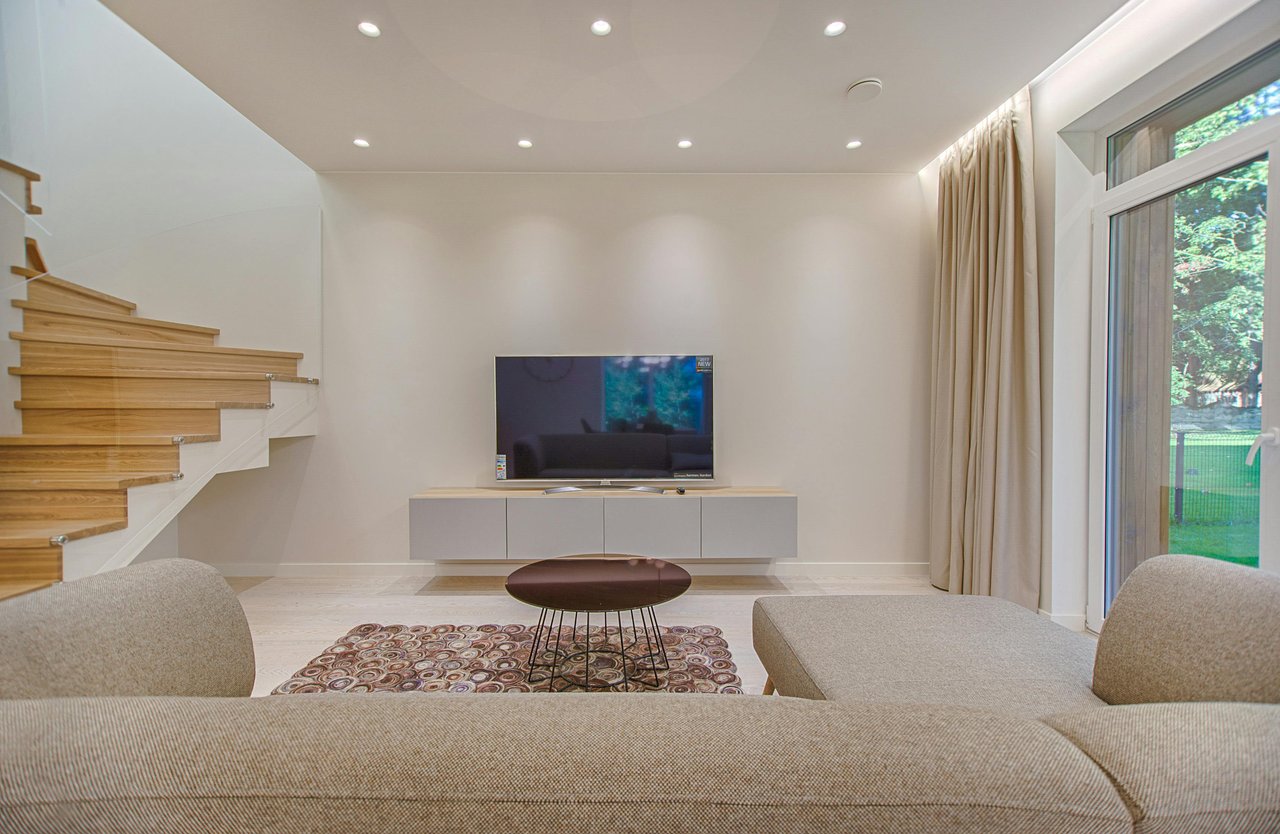
How international capital influences the Los Angeles luxury real estate market.
Hollywood Living
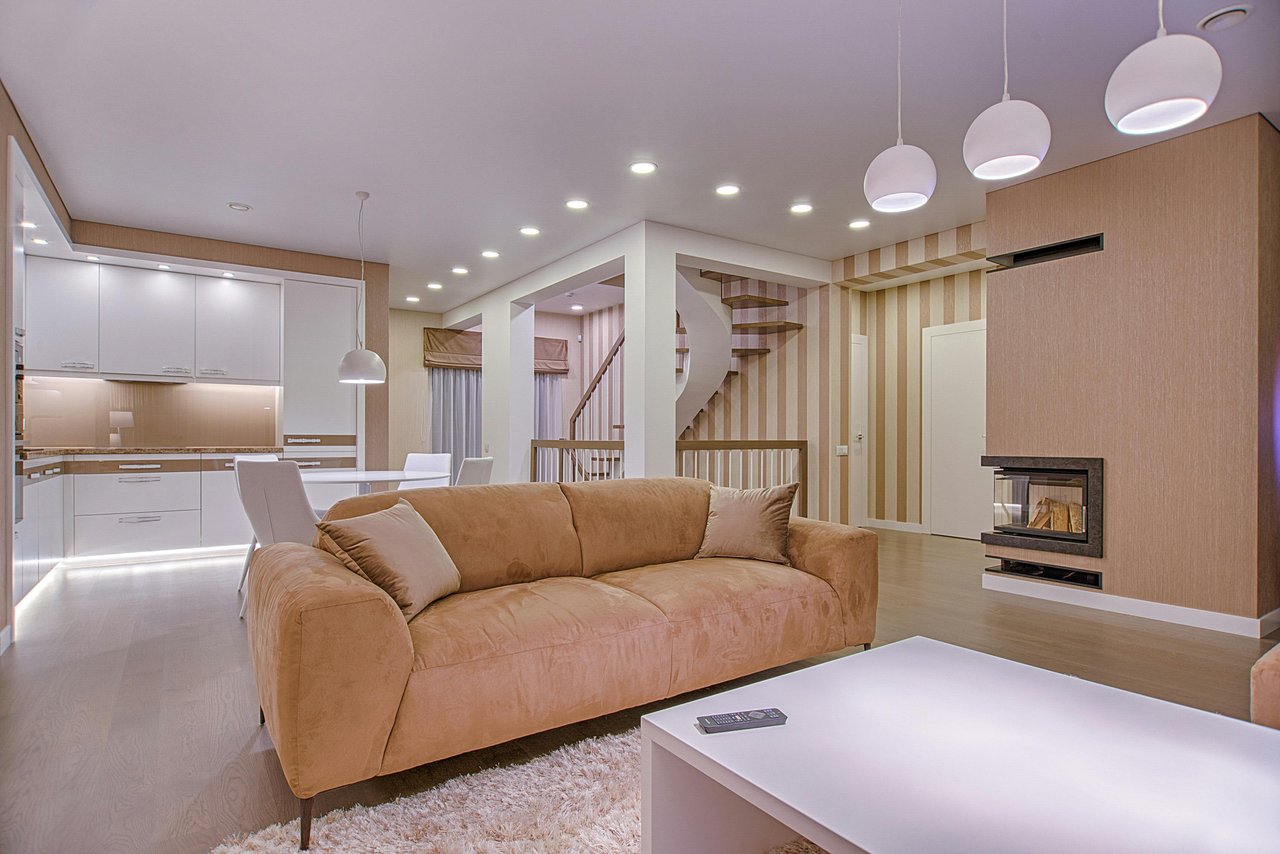
Understanding how ultra-high-net-worth buyers evaluate luxury properties in Los Angeles.
Hollywood Living
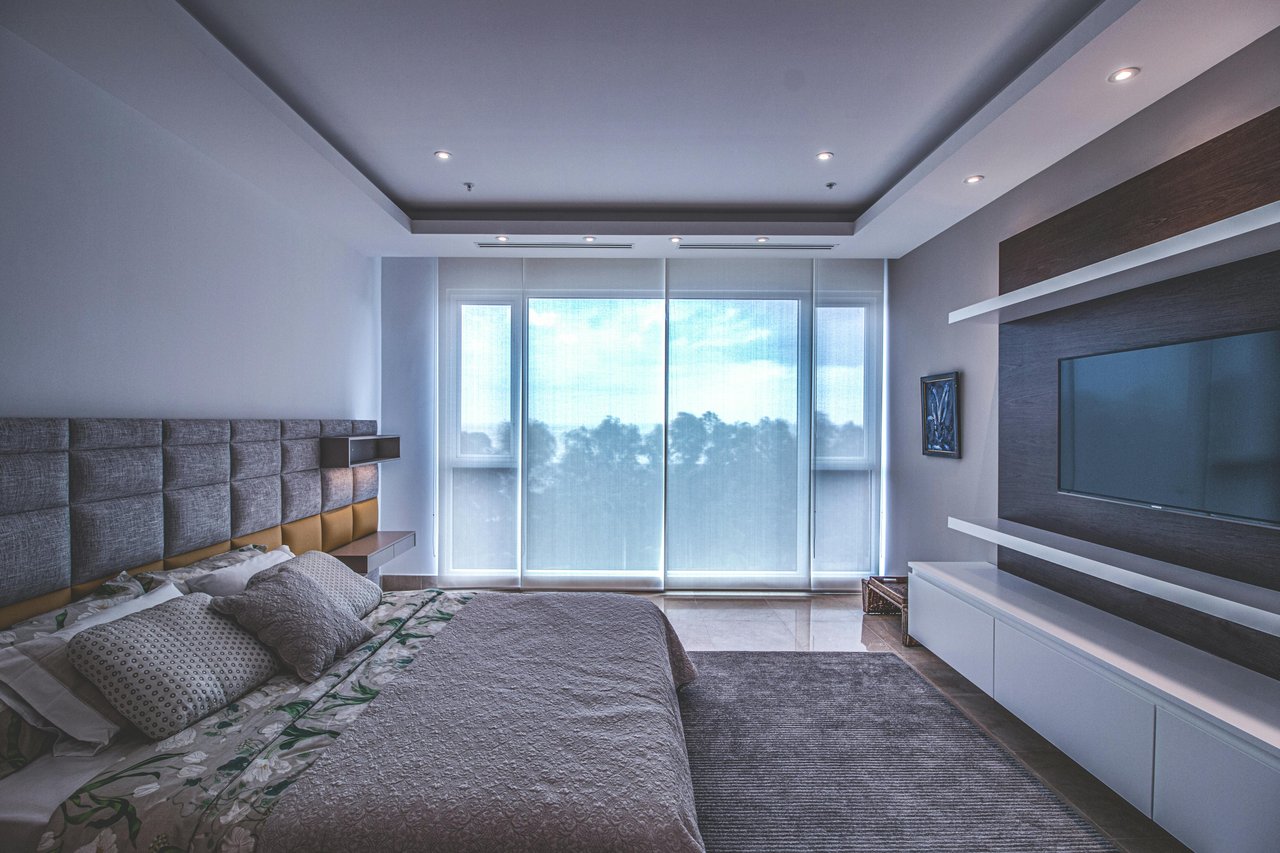
Why more luxury properties in Los Angeles are selling privately off market.
Hollywood Living
Navigating the emotional and strategic aspects of selling high-end homes in Los Angeles.
Hollywood Living
Understanding the psychology behind hesitation in luxury real estate decisions.
Hollywood Living
How psychological anchoring influences pricing decisions in the Los Angeles luxury property market.
Hollywood Living
How architectural modern homes compete in traditionally styled luxury neighborhoods in Los Angeles.
Hollywood Living
Strategic approaches for relaunching luxury homes in the Los Angeles real estate market.
Hollywood Living
Strategic negotiation approaches used to maintain strong pricing in Los Angeles luxury real estate.
Our agents are experienced with buying and selling properties in the Hollywood Hills and beyond. Consult with us today!