The Art of Storytelling in High-End Real Estate
Hollywood Living
Hollywood Living
Luxury real estate marketing has evolved far beyond listing square footage, bedroom counts, and neighborhood statistics. In markets like Los Angeles, where homes in the Hollywood Hills, Beverly Hills, and along the Sunset Strip routinely sell for millions of dollars, the most successful listings are rarely marketed as simple properties. Instead, they are presented as experiences, architectural narratives, and lifestyle opportunities. This is where storytelling becomes one of the most powerful tools in high-end real estate. Buyers in the luxury market are not simply purchasing physical structures. They are purchasing identity, aspiration, and a vision of how life unfolds within a space. Understanding the art of storytelling in luxury real estate can transform the way a property is perceived and ultimately influence how successfully it sells.
One of the most important dynamics in the luxury market is that high-end purchases are driven by emotional resonance as much as financial logic. Buyers considering a property in Beverly Hills or the Hollywood Hills are rarely making purely utilitarian decisions. They are imagining the experience of living within the home. They imagine hosting friends on a terrace overlooking the city, waking up to panoramic sunrise views, or enjoying privacy within an architectural retreat above the energy of Los Angeles.
Because these decisions are deeply experiential, the way a property is presented matters tremendously. A listing that focuses only on technical features fails to communicate the emotional appeal of the home. Storytelling bridges that gap by translating architectural details into lifestyle narratives that allow buyers to envision themselves in the space.
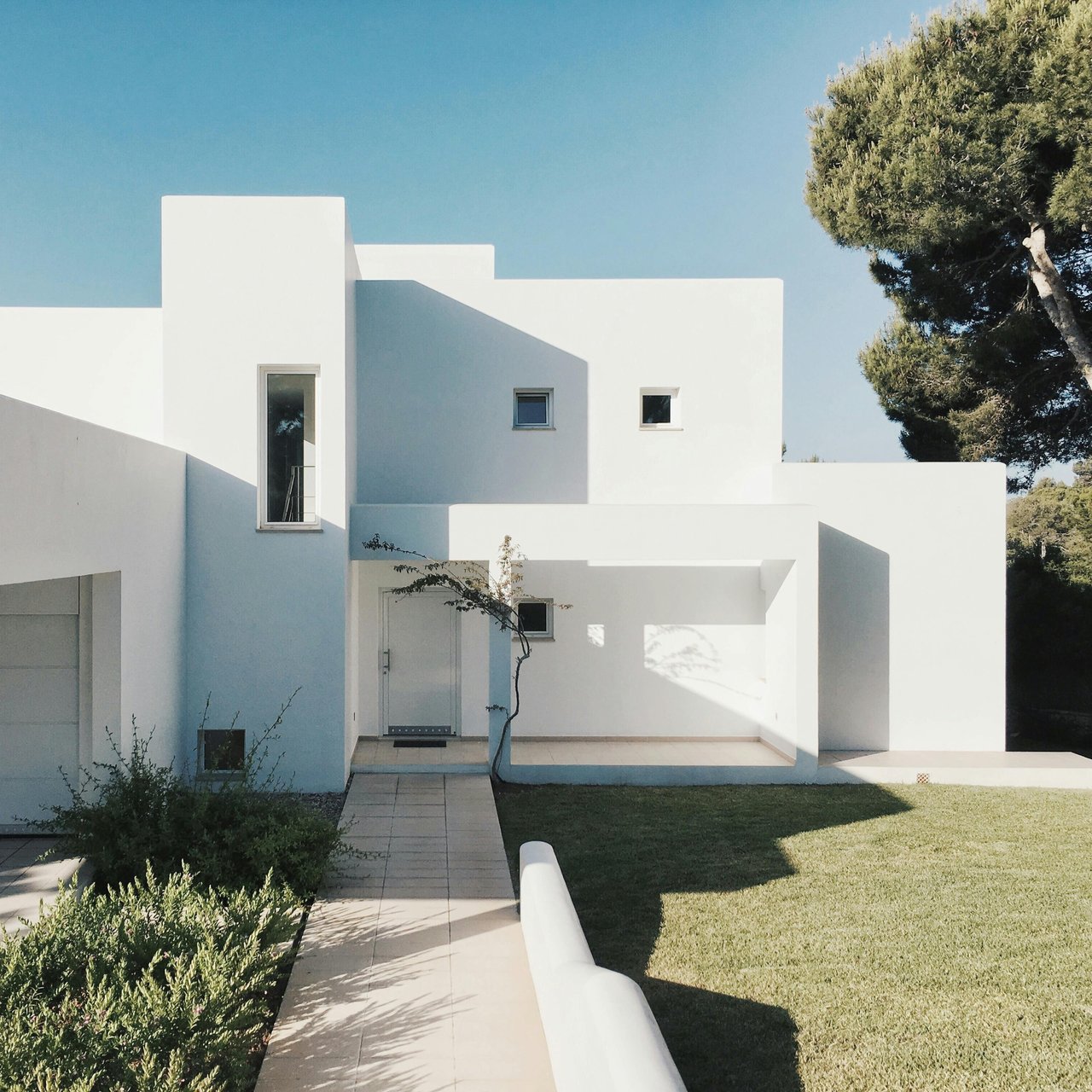
Every luxury home has a story embedded within its architecture. A contemporary hillside residence may reflect a philosophy of modern minimalism, where glass walls dissolve the boundaries between interior and exterior space. A historic estate in Beverly Hills may carry decades of cultural history and craftsmanship. These architectural identities form the foundation of a compelling narrative.
Effective luxury marketing identifies the design language of the home and communicates it clearly. Rather than simply stating that a property has floor-to-ceiling glass windows or a dramatic open floor plan, storytelling explains how those features transform daily living. The architecture becomes part of a broader experience that resonates with buyers who appreciate design and creativity.
In Los Angeles, where architecture is closely tied to the entertainment and creative industries, this narrative dimension is particularly powerful. Buyers often view homes not only as residences but as expressions of artistic identity.
Luxury real estate storytelling often revolves around lifestyle. A property overlooking the Los Angeles skyline may be framed as a private sanctuary above the city, where residents can enjoy tranquility while remaining minutes from the cultural energy of the Sunset Strip. A gated Beverly Hills estate might be presented as a retreat designed for both privacy and elegant entertaining.
These narratives allow buyers to imagine how the home fits into their own lives. Instead of evaluating isolated features, they begin to visualize experiences. Outdoor terraces become stages for sunset gatherings. Infinity pools become vantage points for watching the city lights below. The home becomes part of a broader lifestyle vision.
When marketing successfully communicates these experiences, the property begins to feel less like a listing and more like an opportunity.
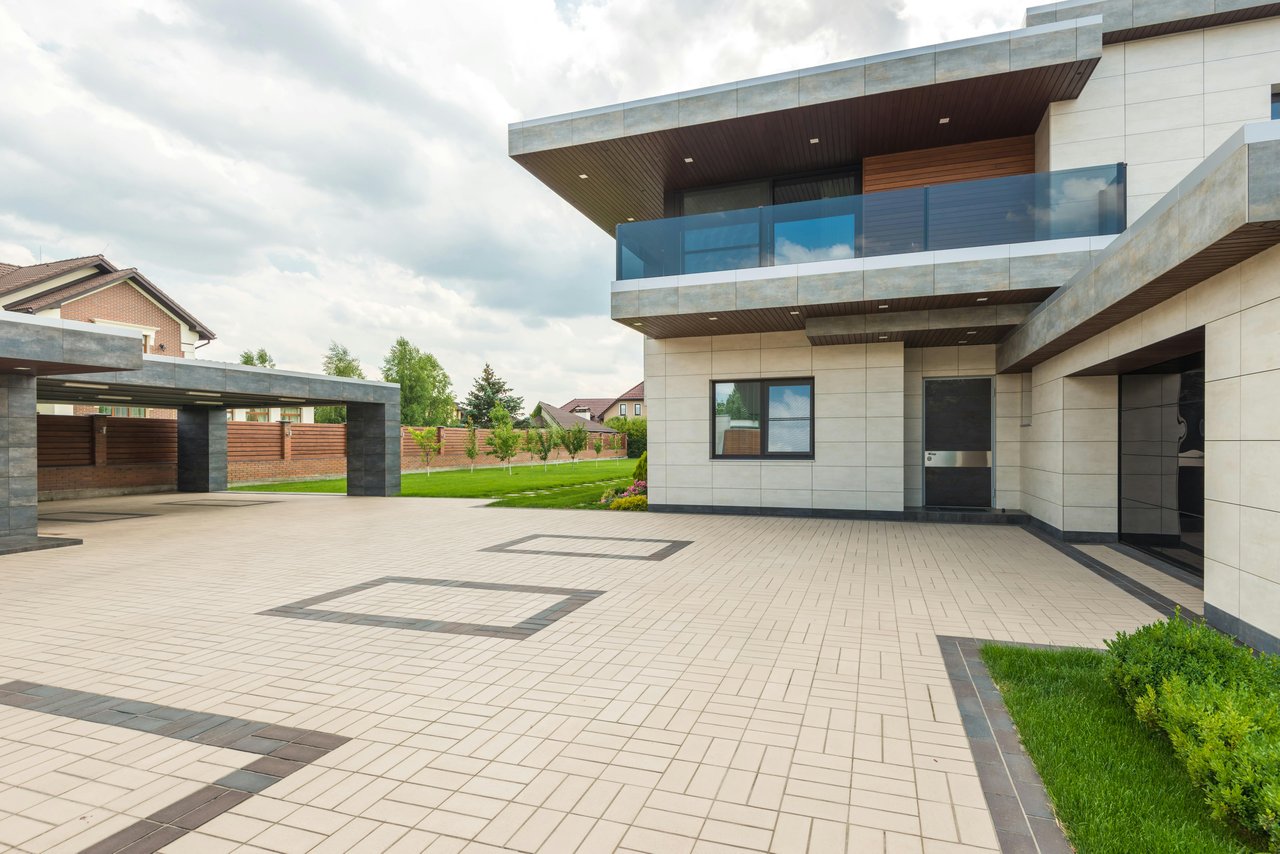
Visual media plays an essential role in communicating the story of a luxury property. High-end real estate marketing increasingly relies on cinematic photography, architectural video tours, and carefully curated imagery that captures the essence of the home. Lighting, angles, and composition are chosen to highlight the architectural strengths of the property while conveying atmosphere and emotion.
A modern hillside home photographed at sunset, with the city lights beginning to glow below, tells a very different story than the same home photographed under flat daylight conditions. The goal is not simply to document the property but to evoke the feeling of being there.
This approach transforms visual media into a storytelling device that allows buyers to experience the property long before they schedule a private showing.
One of the most overlooked aspects of storytelling in luxury real estate is consistency. The narrative surrounding the property should remain cohesive across every element of marketing, from photography and listing descriptions to digital campaigns and broker presentations. When each component reinforces the same story, the property develops a clear identity within the market.
For example, a contemporary architectural estate in the Bird Streets might be positioned as a modern retreat designed for sophisticated city living. The photography, written narrative, and marketing materials would all emphasize the same themes of design, privacy, and panoramic views.
This consistency strengthens the property’s brand within the marketplace and helps buyers remember it long after they have viewed other listings.
The power of storytelling ultimately lies in perception. Two homes with similar square footage and locations may receive dramatically different responses depending on how they are presented. A property that feels generic may struggle to stand out in a competitive market, while a property with a strong narrative can capture attention immediately.
In luxury real estate, perception often translates directly into value. Buyers are more willing to pay premium prices for properties that feel distinctive, aspirational, and emotionally compelling. By shaping the narrative around the home, storytelling influences how buyers interpret the property’s worth.
Creating an effective narrative for a luxury property requires experience and strategic insight. Brokerages that specialize in high-end real estate often approach marketing as a creative process rather than a purely transactional one. They evaluate the architecture, location, and lifestyle potential of the property to determine how it should be positioned within the market.
In Los Angeles, where luxury homes compete on a global stage, this level of strategic storytelling can make a significant difference. Buyers from around the world may discover a property online long before visiting the city in person. The story told through marketing becomes their first impression of the home.
At its highest level, storytelling transforms a luxury home from a physical structure into an immersive experience. It allows buyers to imagine themselves inhabiting the space and living the lifestyle the property represents. In cities like Los Angeles, where architecture, culture, and creativity intersect, this narrative dimension becomes especially powerful.
The most successful luxury listings are those that understand this principle. They recognize that selling a home is not simply about presenting facts. It is about communicating a vision that resonates with buyers on both emotional and intellectual levels.
Stay up to date on the latest real estate trends.
Hollywood Living
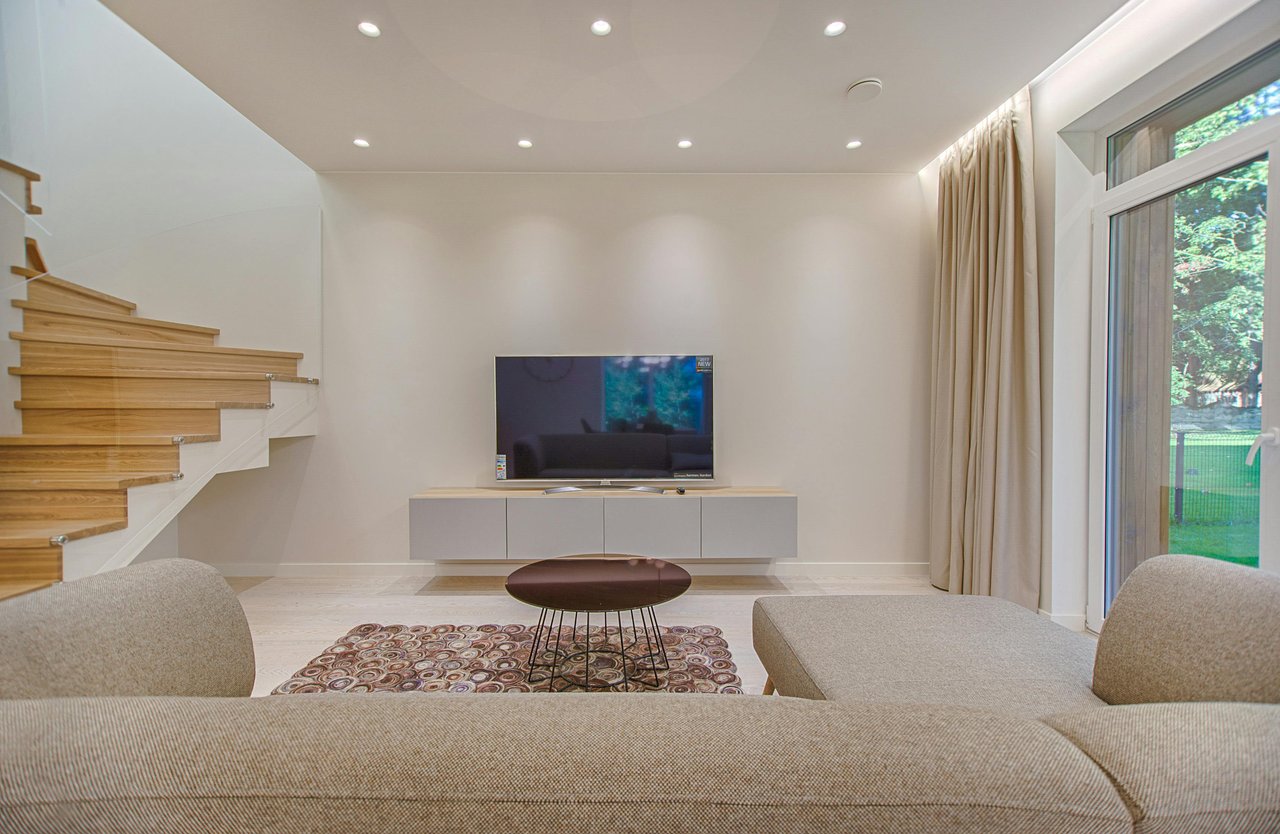
How international capital influences the Los Angeles luxury real estate market.
Hollywood Living
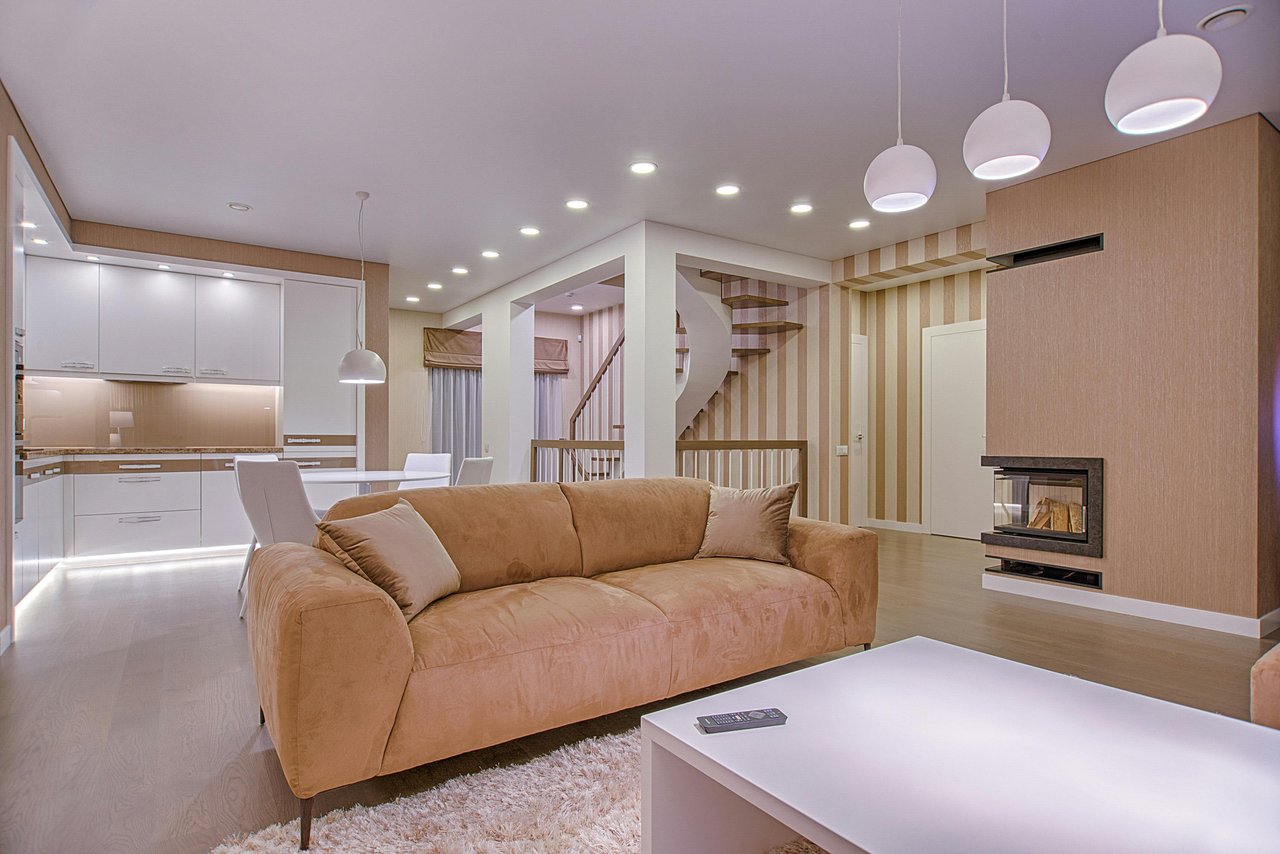
Understanding how ultra-high-net-worth buyers evaluate luxury properties in Los Angeles.
Hollywood Living
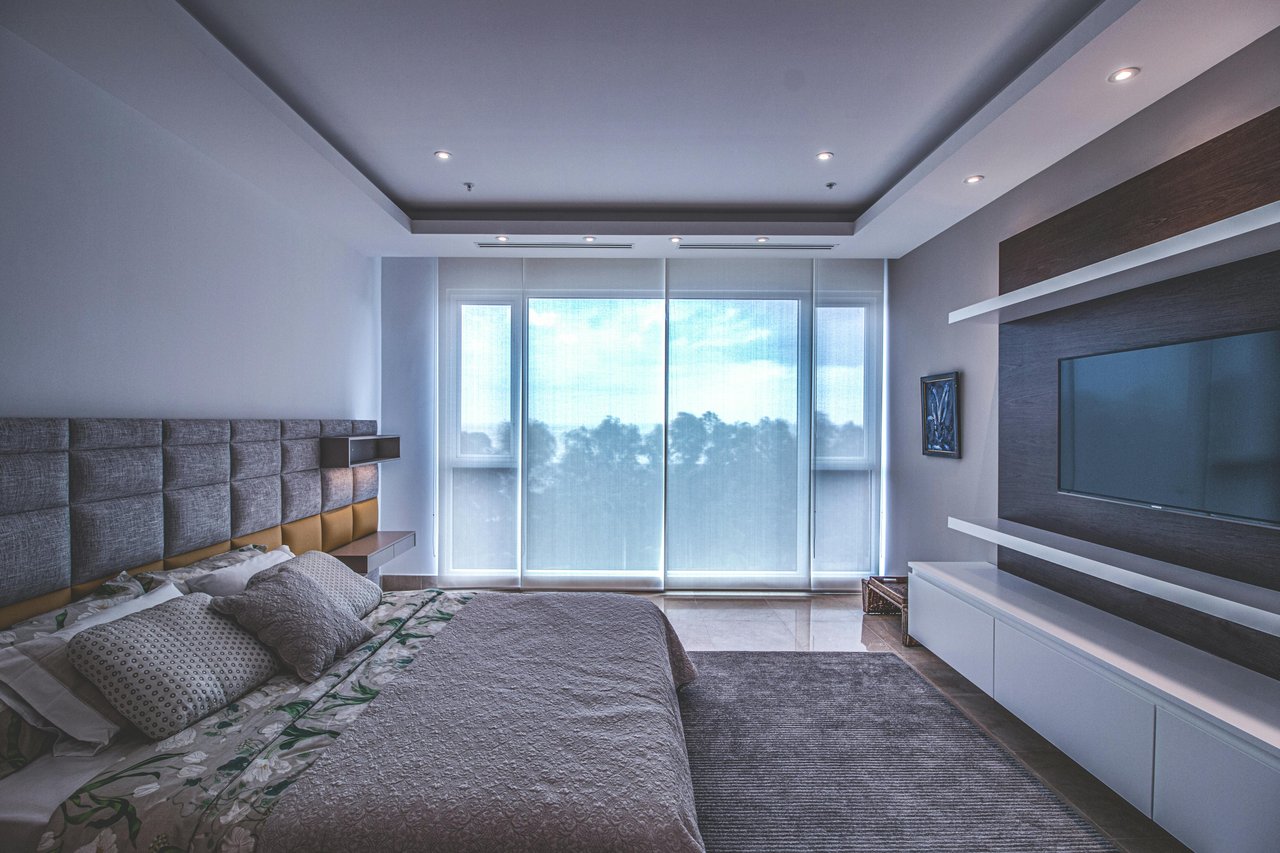
Why more luxury properties in Los Angeles are selling privately off market.

Hollywood Living
Navigating the emotional and strategic aspects of selling high-end homes in Los Angeles.
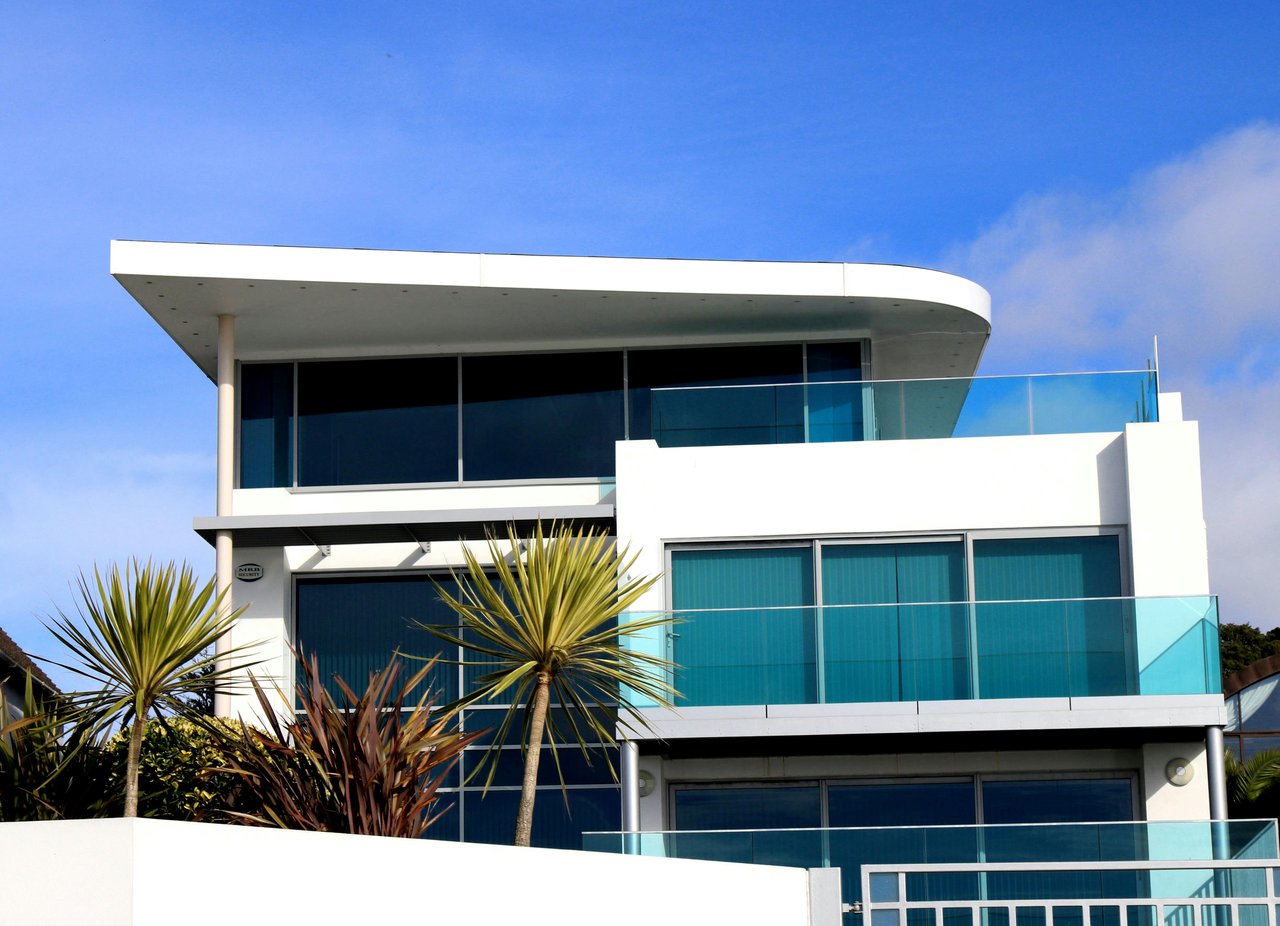
Hollywood Living
Understanding the psychology behind hesitation in luxury real estate decisions.
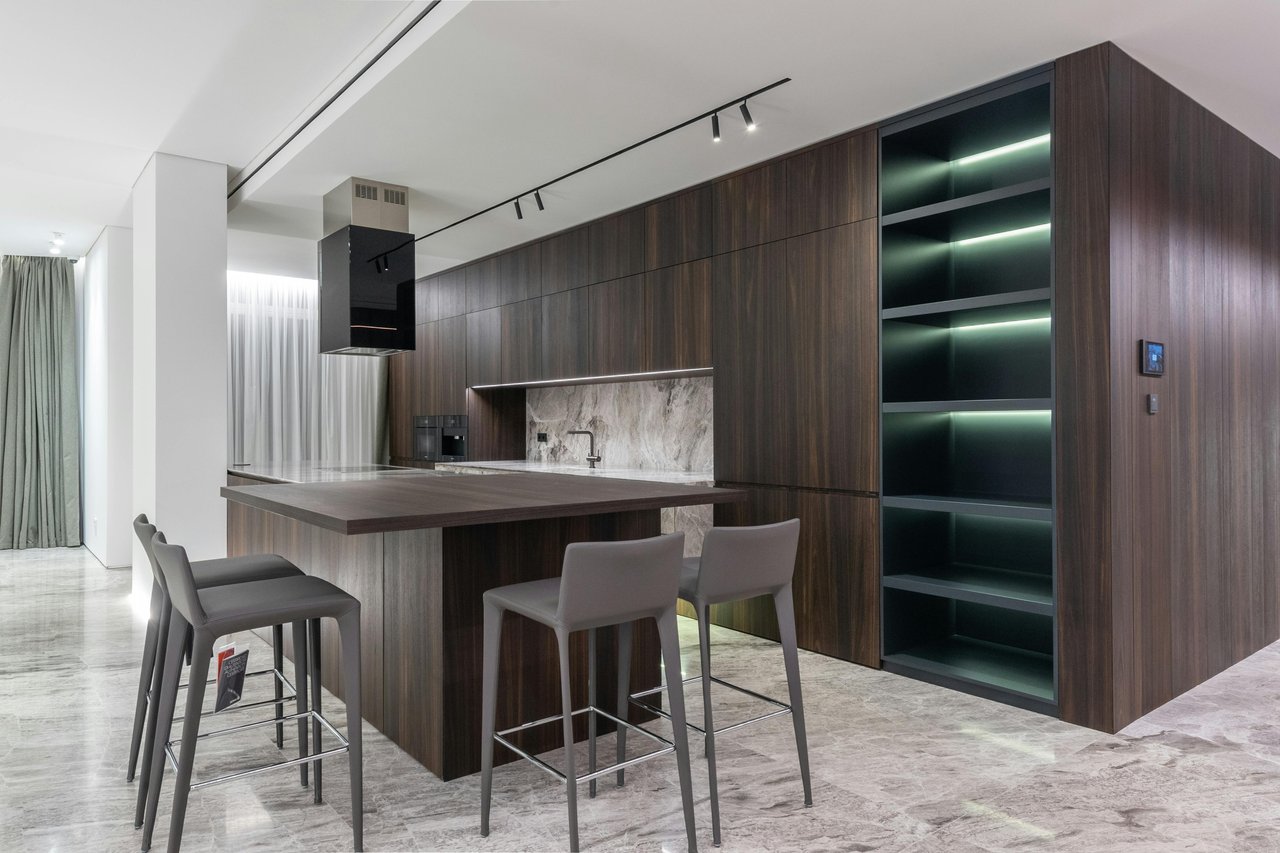
Hollywood Living
How psychological anchoring influences pricing decisions in the Los Angeles luxury property market.
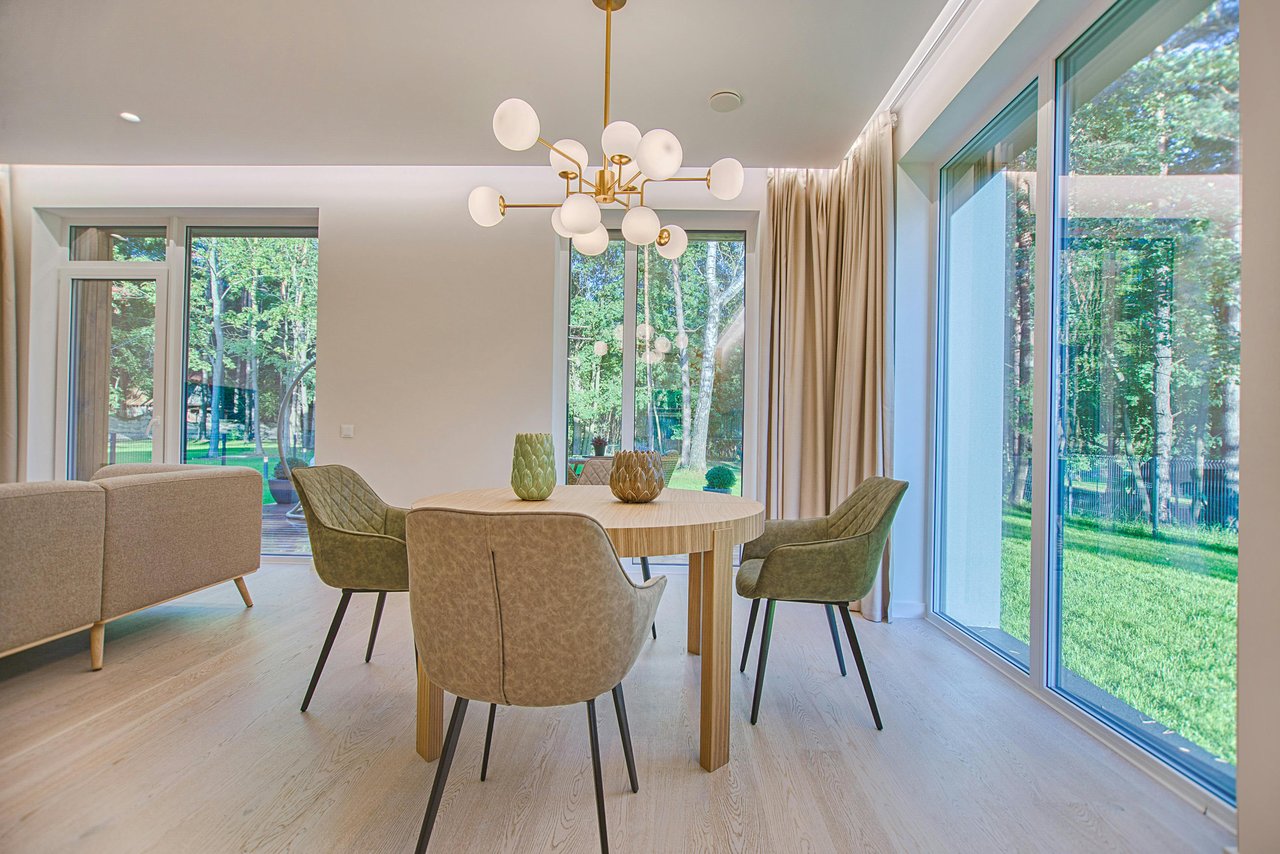
Hollywood Living
How architectural modern homes compete in traditionally styled luxury neighborhoods in Los Angeles.
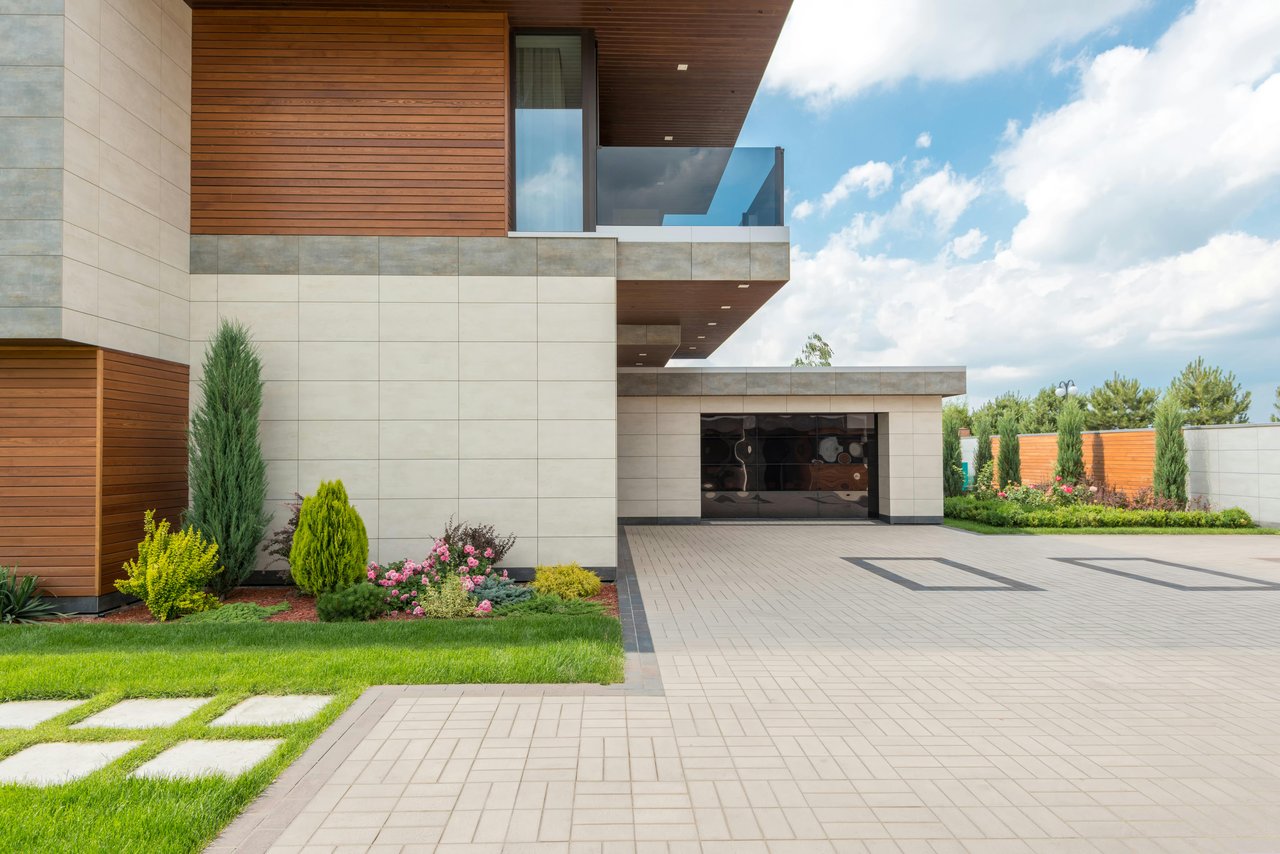
Hollywood Living
Strategic approaches for relaunching luxury homes in the Los Angeles real estate market.
Hollywood Living
Strategic negotiation approaches used to maintain strong pricing in Los Angeles luxury real estate.
Our agents are experienced with buying and selling properties in the Hollywood Hills and beyond. Consult with us today!